
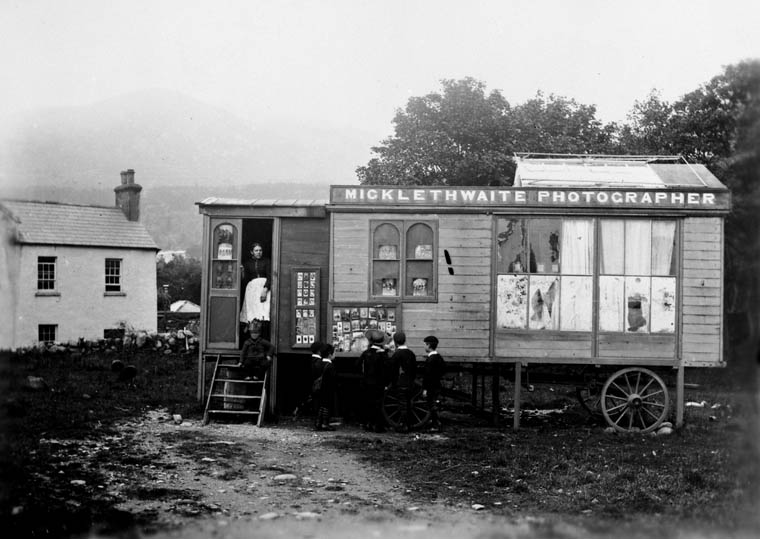
“Improvised photographers” of the 1800s
“Improvised photographers” of the 1800s: opportunity or dilemma?
In the 19th century, photography emerged as a revolutionary novelty, a technology capable of capturing images of the world with unprecedented precision. It was an era of experimentation and discovery, during which photographic techniques evolved rapidly, attracting both pioneers and opportunists.
With the spread of photographic processes like the daguerreotype and later the wet collodion process, the barriers to entry into photography were significantly lowered. A relatively simple set of equipment, a basic understanding of chemical materials, and a minimum of practice were enough to embark on a career as a photographer. This reduction of technical thresholds made photography a democratic and accessible art but also paved the way for a new professional figure: the “improvised photographers.”
The allure of the new profession
For many, becoming a photographer represented a relatively easy way to earn a living. In urban centers, markets, or even rural areas, it was common to find individuals presenting themselves as itinerant photographers. They offered low-cost portraits or photographic services to document local events, often without in-depth training.
Mobile photography studios
Some of these photographers managed to stand out with remarkable artistic talent or a unique perspective, proving that traditional training was not always a limitation. However, the proliferation of improvised professionals also impacted public perception of photography, sometimes reducing it to a mere commercial product rather than an art or a science.
Countless anecdotes exist about craftsmen from the most varied trades incorporating photography into their services, either as an incentive or simply to supplement their income. From blacksmiths with a darkroom set up next to the forge to barbers offering a haircut and photo package in one go.
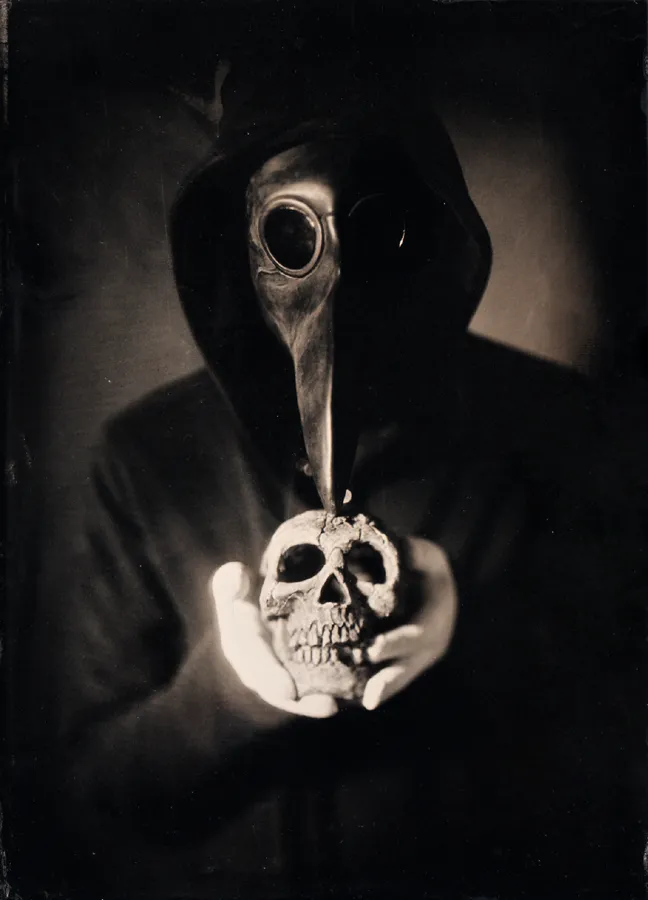
Modern ferrotype Colodion & Co 2022
The pros and cons of photographic democratization
The ease of access to photography had its advantages. This phenomenon helped document the daily lives of ordinary people, offering a new perspective on visual history. Thanks to the “improvised photographers,” images of events, markets, weddings, and other moments of life have survived that would otherwise have been lost.
On the other hand, improvisation also brought problems related to the quality of work and technical competence. Poorly executed developments, exposure errors, or limited understanding of chemical principles were common. This risked damaging the reputation of photography as an artistic and scientific medium, sometimes reducing it to an operation of “quick craftsmanship.”
The legacy of an era
Despite its limitations, the “improvised photographers” of the 1800s left a significant mark. They represent a transitional moment in the history of photography: from an exclusive art for the few to a universal, accessible language. This period of experimentation laid the groundwork for the development of a more regulated profession and paved the way for modern photography.
From 19th-century “quick craftsmanship” to digital and mobile photography
In the 19th century, improvisation in photography was often tied to a lack of technical training and the need to quickly monetize an emerging technology. This approach led to results of variable quality, with photography sometimes perceived more as a practical trade than as an art or science. Photography as “quick craftsmanship” was synonymous with practicality and accessibility but also implied a compromise in quality and authenticity.
With the advent of digital photography and, more recently, smartphones equipped with advanced cameras, this dynamic has resurfaced in a new form. The democratization of photography has reached unimaginable levels, enabling anyone to capture, edit, and share images with a few taps. However, this accessibility has significantly impacted the perception and value of professional photography.
The digtal revolution
he advent of digital cameras has eliminated many of the technical challenges of analog photography. There is no longer a need for film, chemical development, or an in-depth understanding of light and exposure: modern cameras and editing software handle much of the work. This has made photography accessible to everyone, further lowering the threshold for those wishing to enter the profession.
Similarly, mobile phones have transformed how we experience and consume photography. Every day, millions of images are taken, edited with filters, and shared online, often in just seconds. The time and care once required to create a single image have been replaced by an almost instantaneous process, where quantity often surpasses quality.
This phenomenon has revived a form of “quick craftsmanship”: images produced rapidly with little attention to technical or aesthetic details.
In the Milanese fashion industry, photographers who have flooded the market with this approach are referred to by insiders and, sadly, even by clients, as the Oompa Loompas of photography.
If in the 19th century the limitations stemmed from a lack of skills, today the problem often lies in excessive automation and the demand for large volumes of images produced in very little time, destined to be “consumed” just as quickly.
Photography thus risks being perceived as a disposable commodity rather than a form of expression.
Speaking of contemporary photography, I hope that at least some people will continue to seek authenticity, valuing images that tell true stories and convey genuine emotions, rather than being solely captivated by the wow factor of modern digital photography, often tied to fast, disposable consumerism and questionable quality.