DISCOVER THE
Printing in cyanotype
Historical photographic print at contact
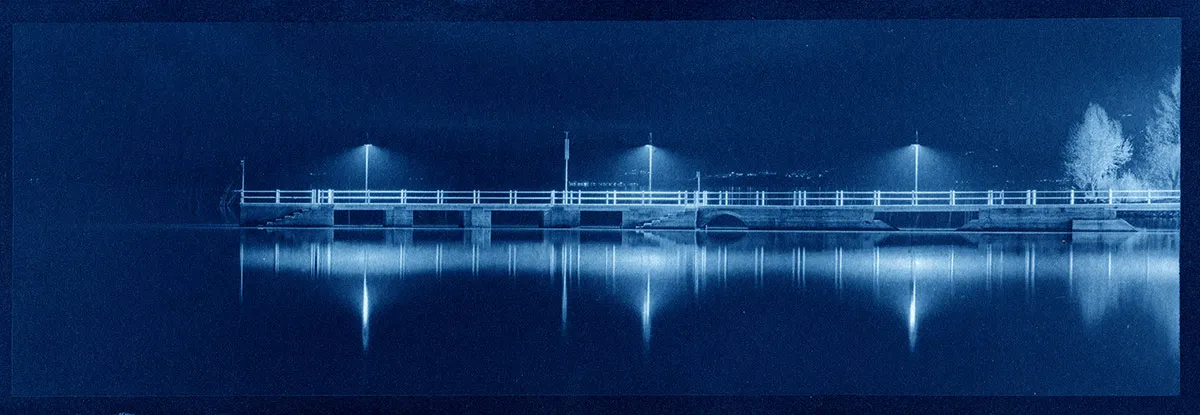
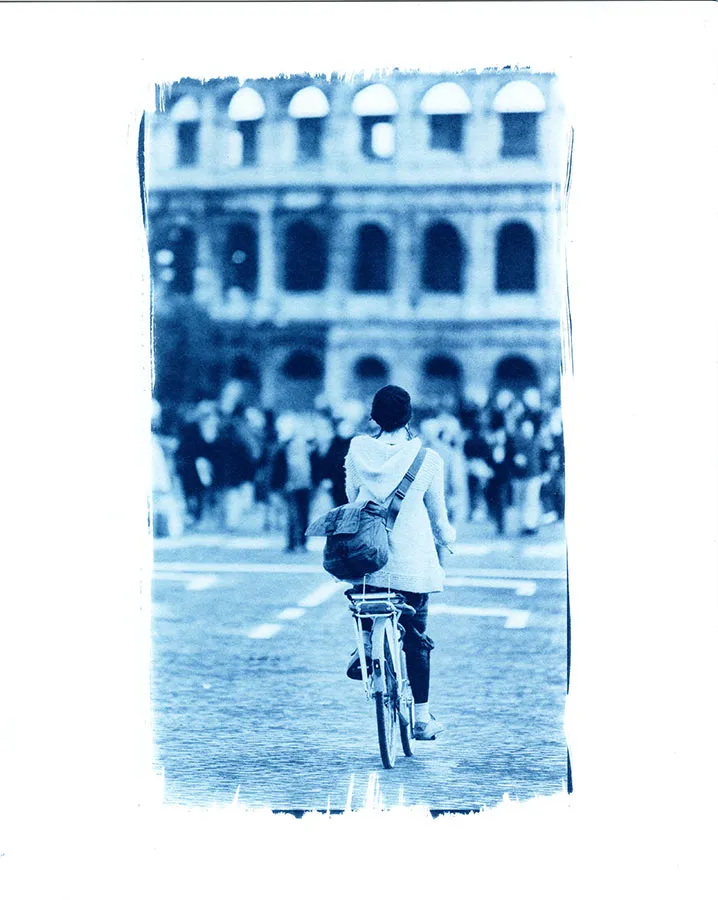
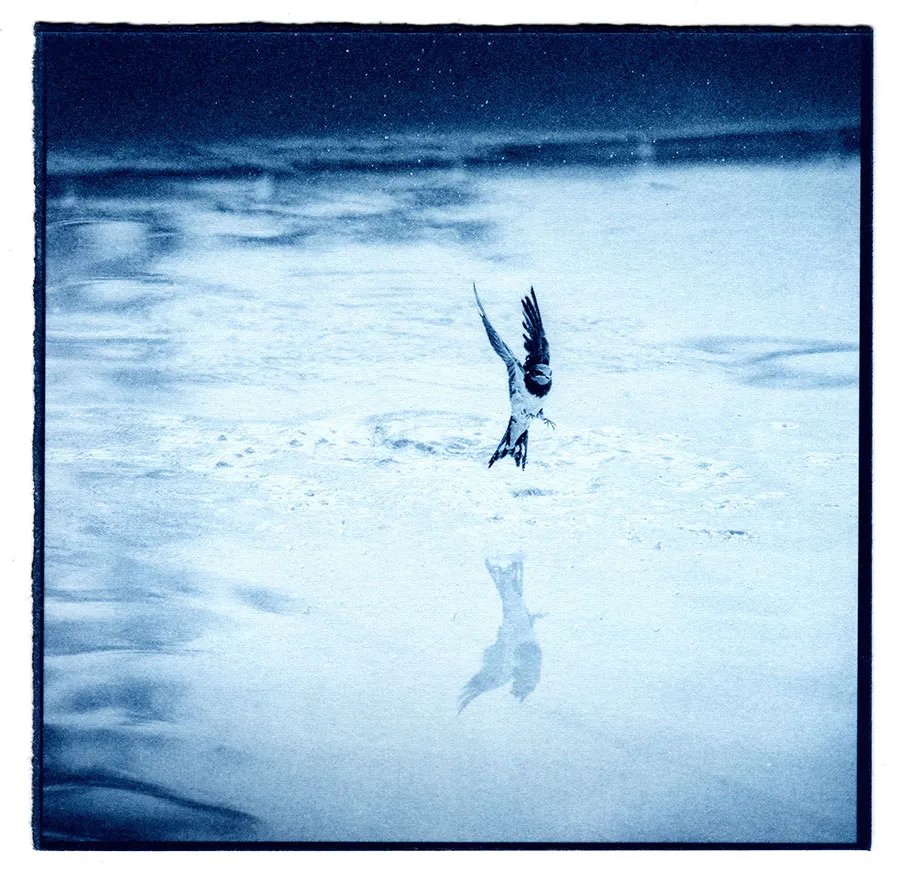
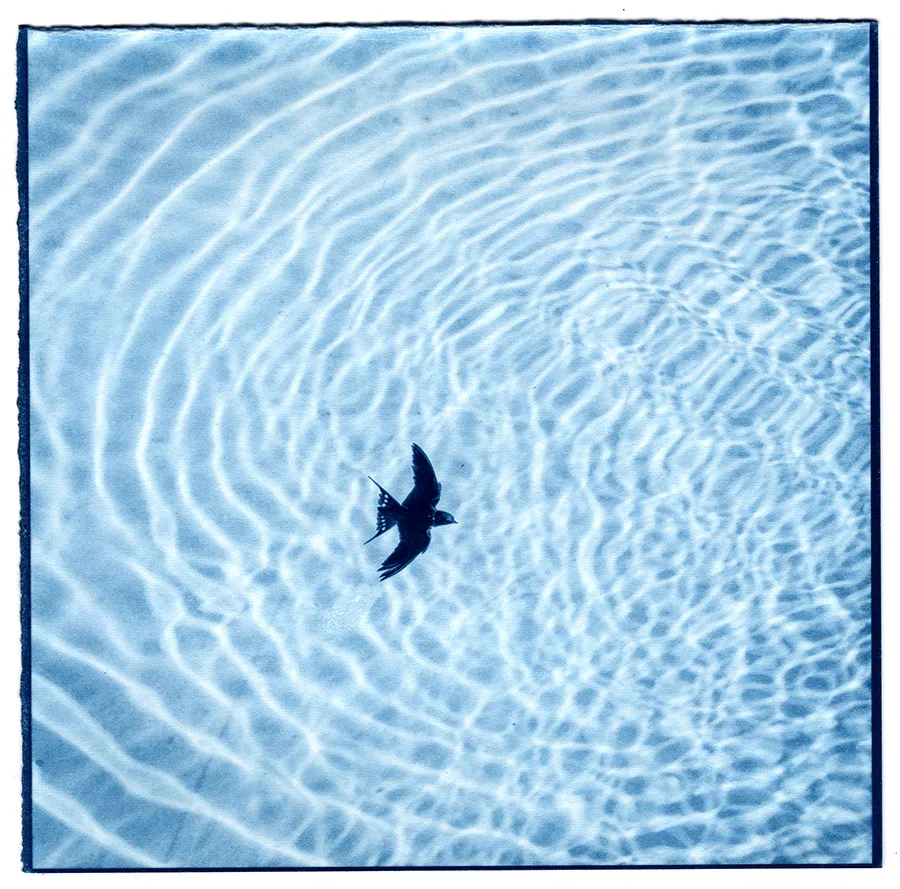
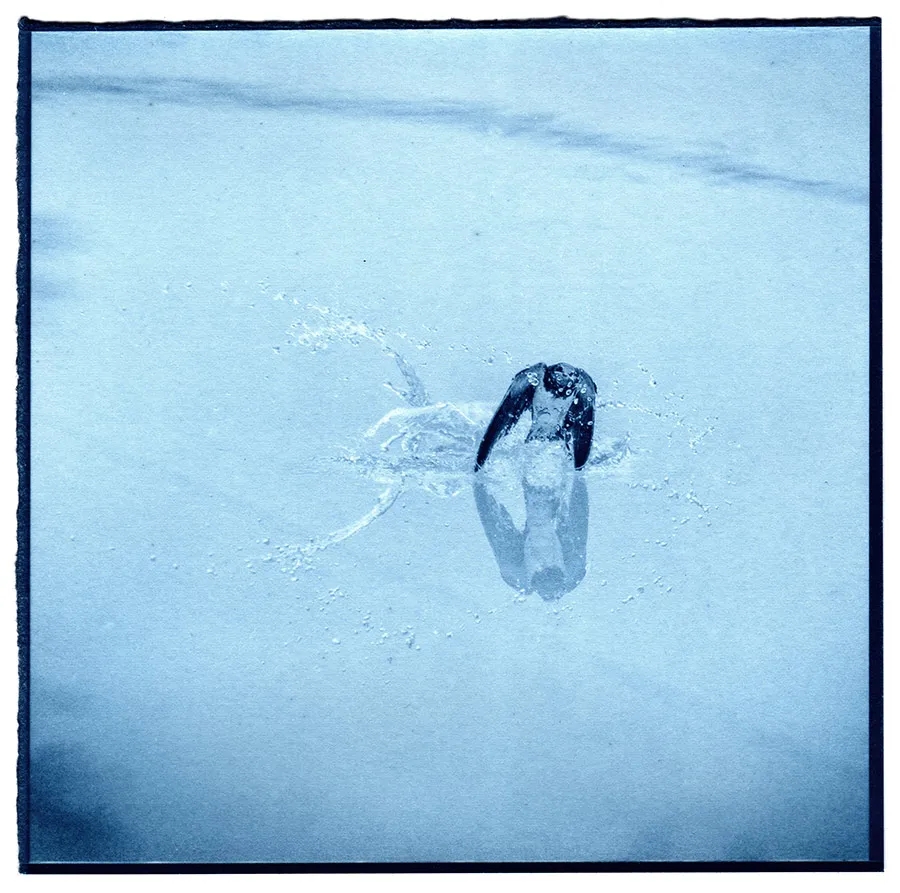
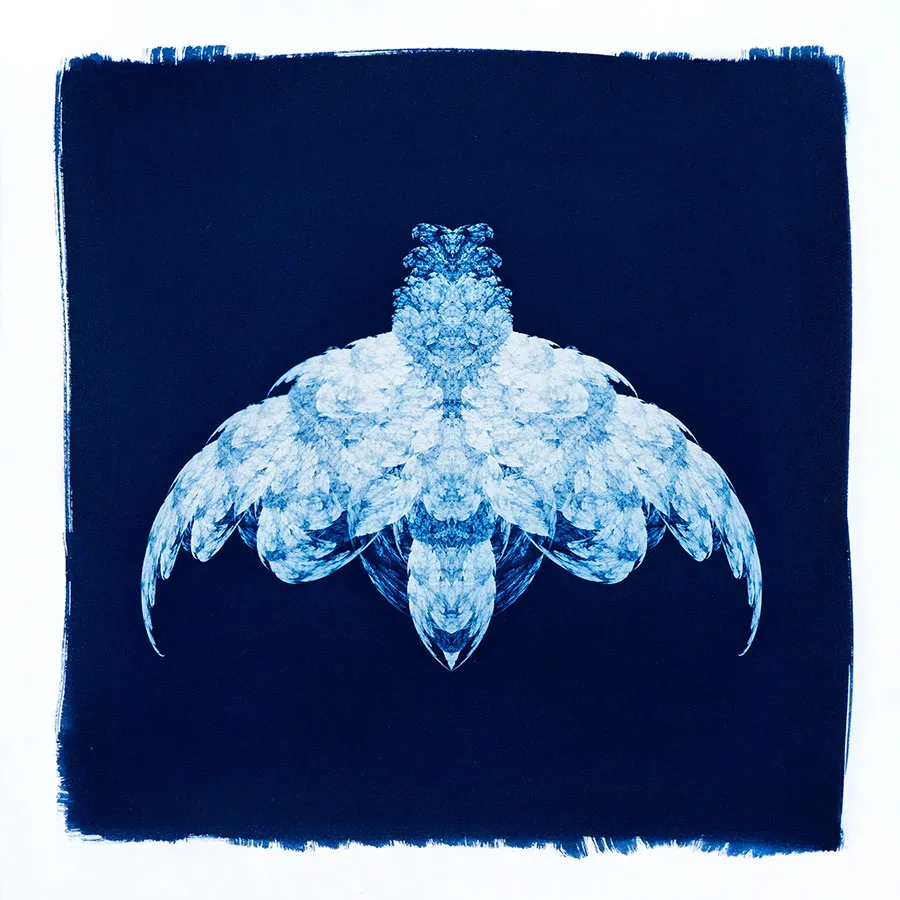
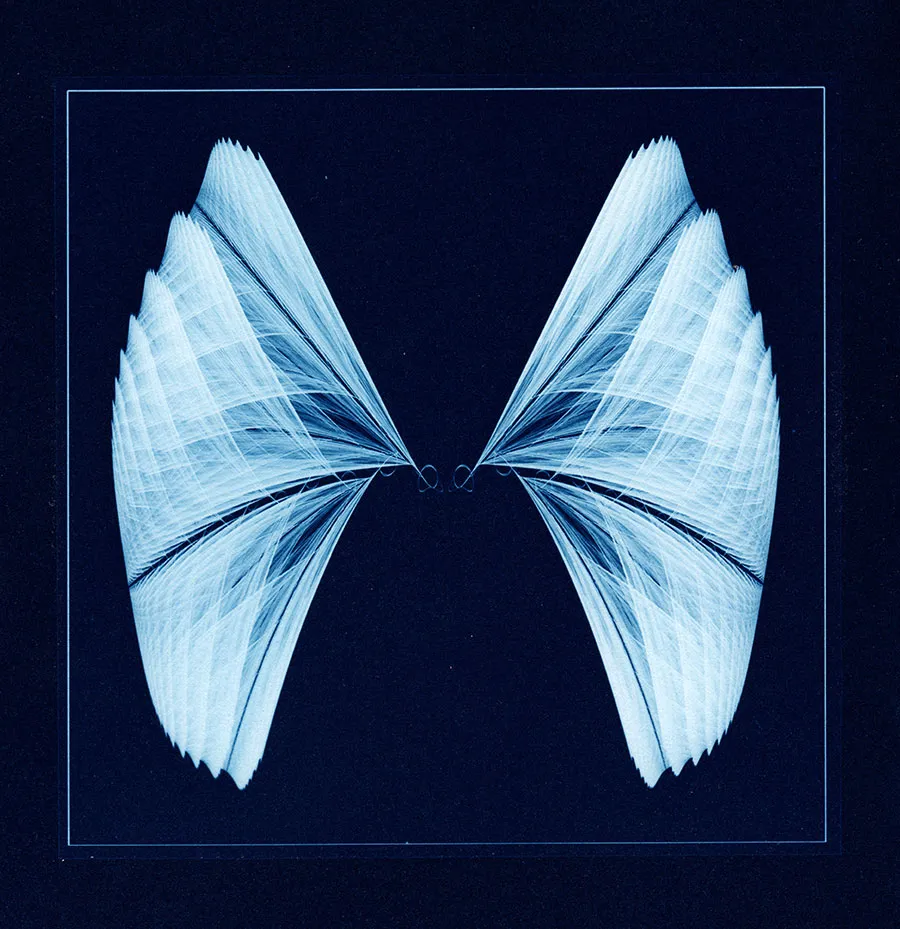
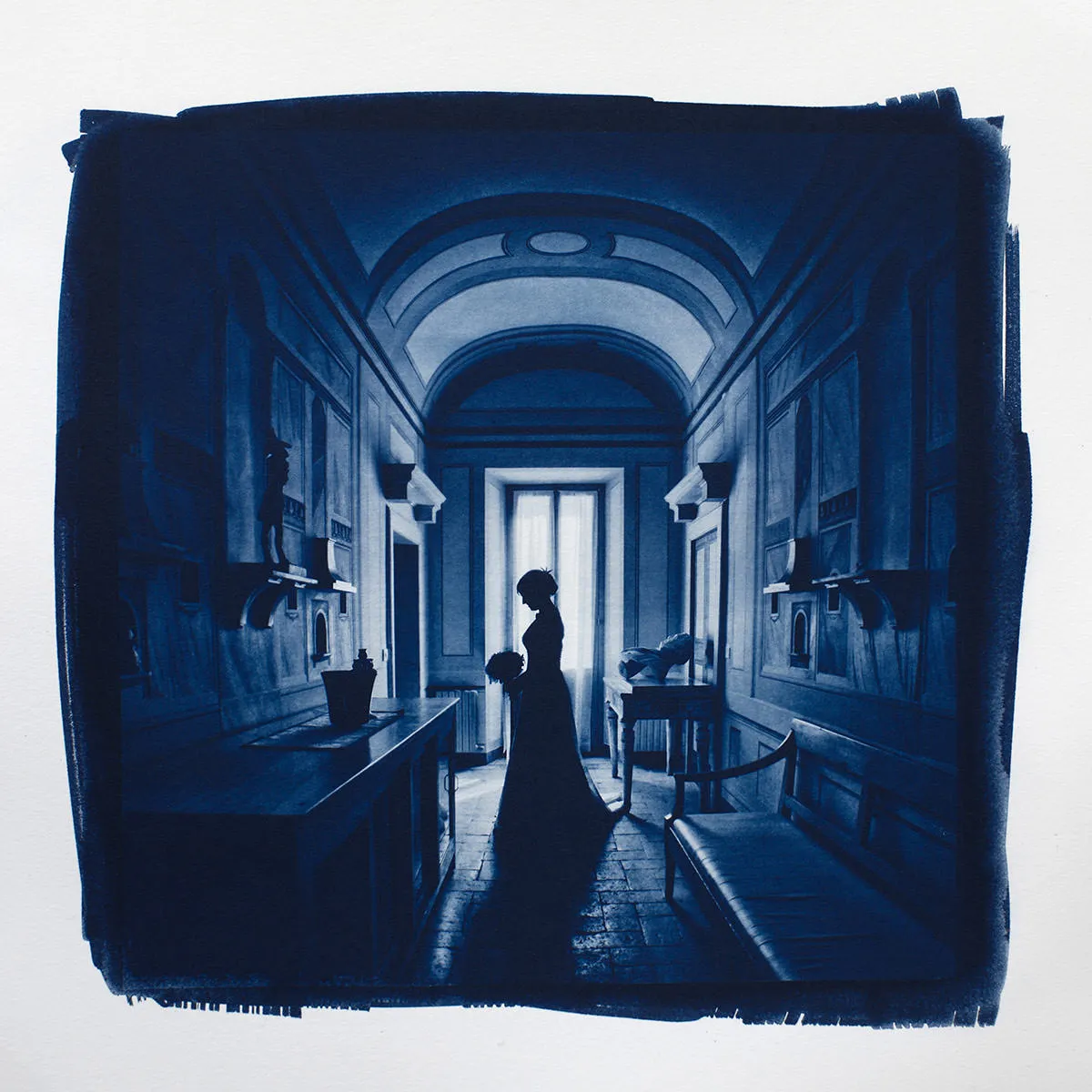
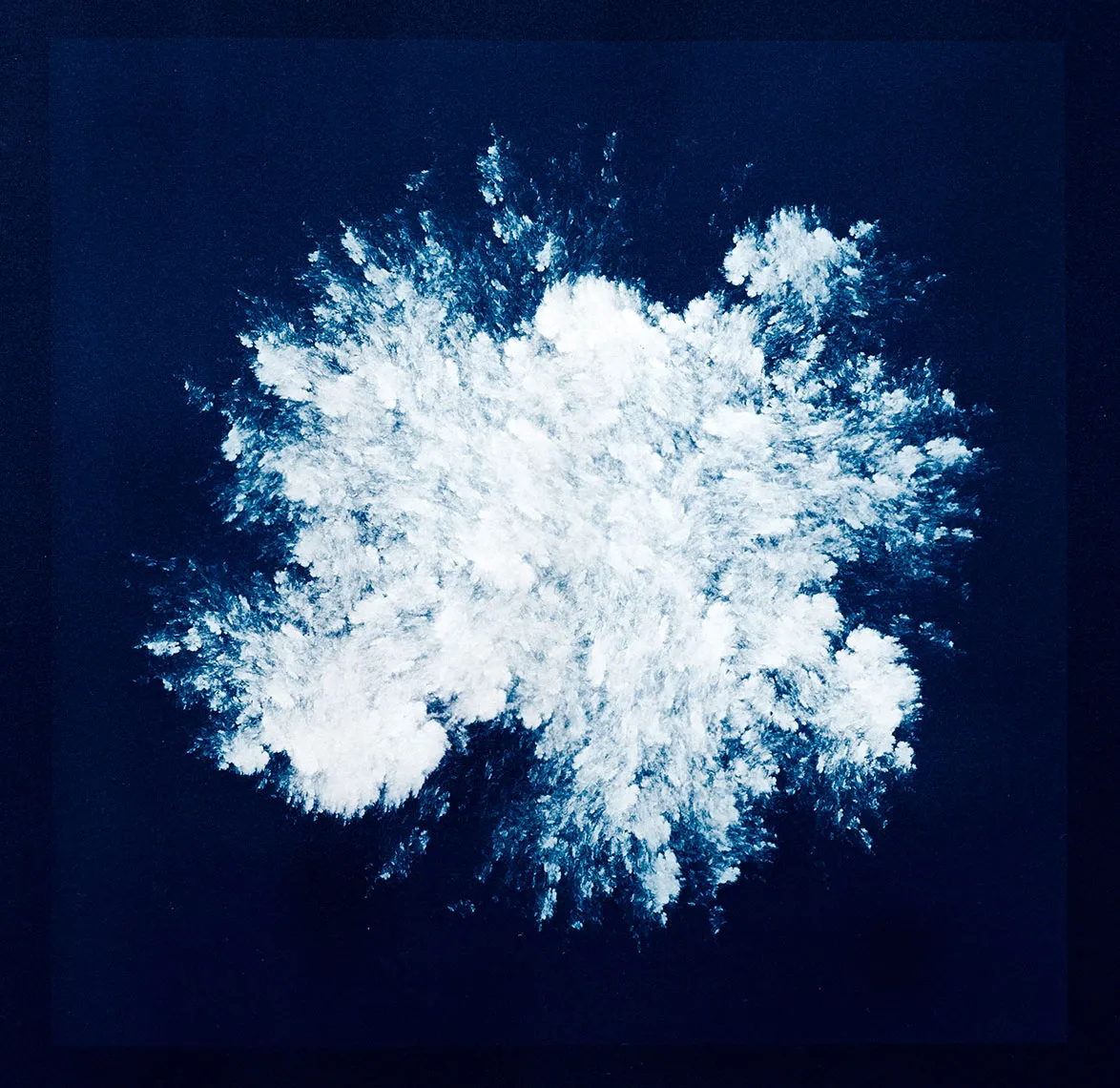
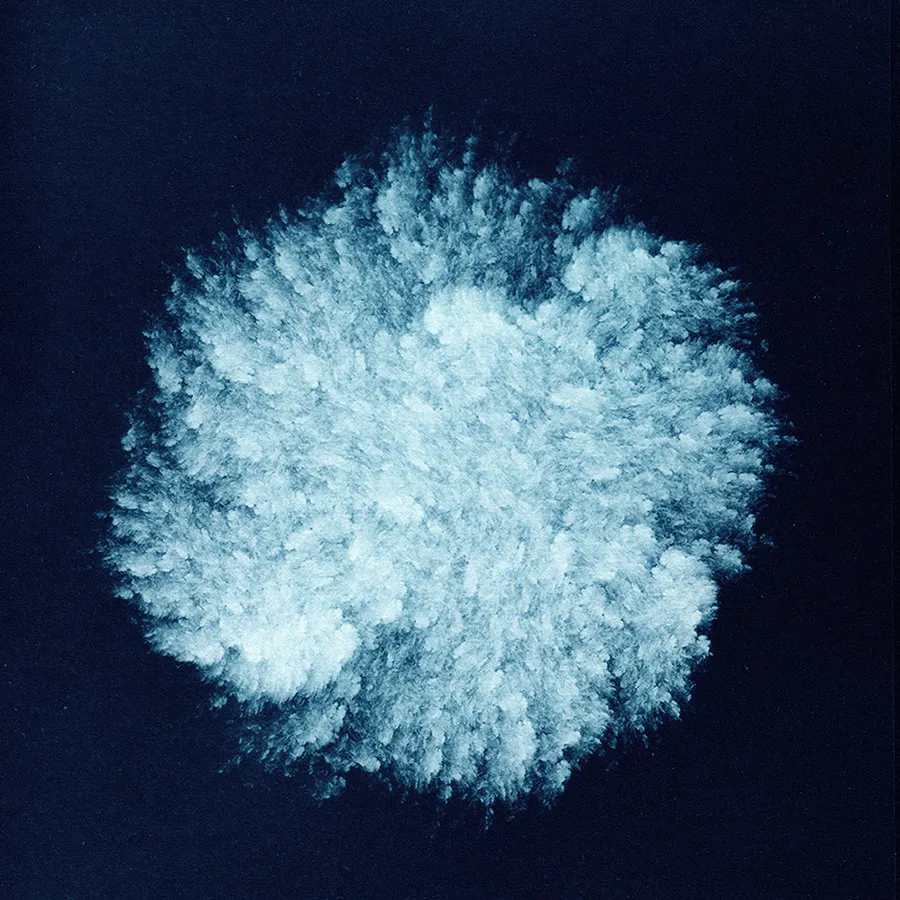
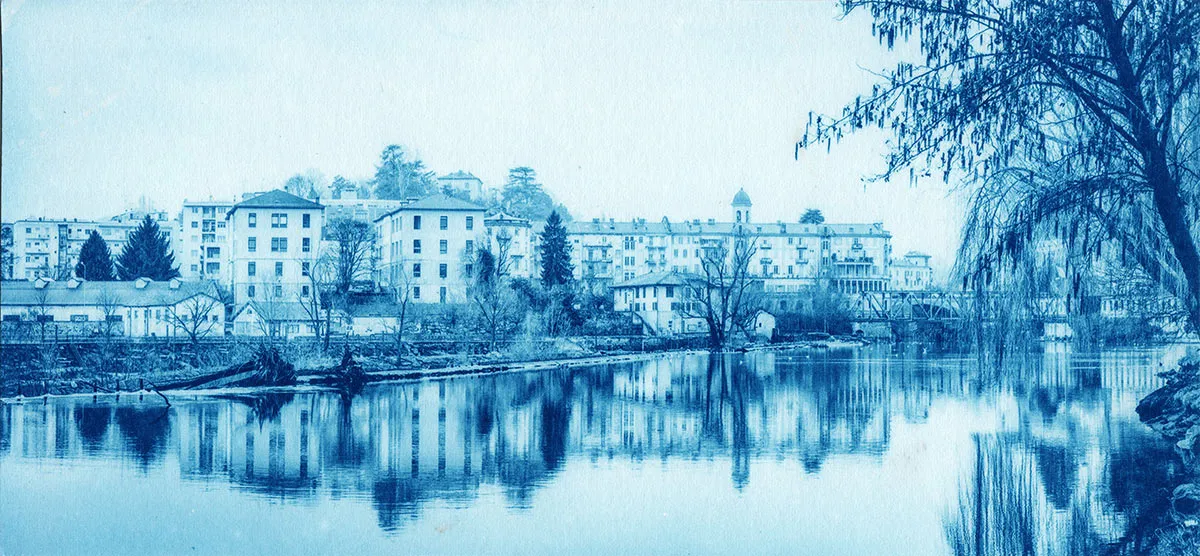
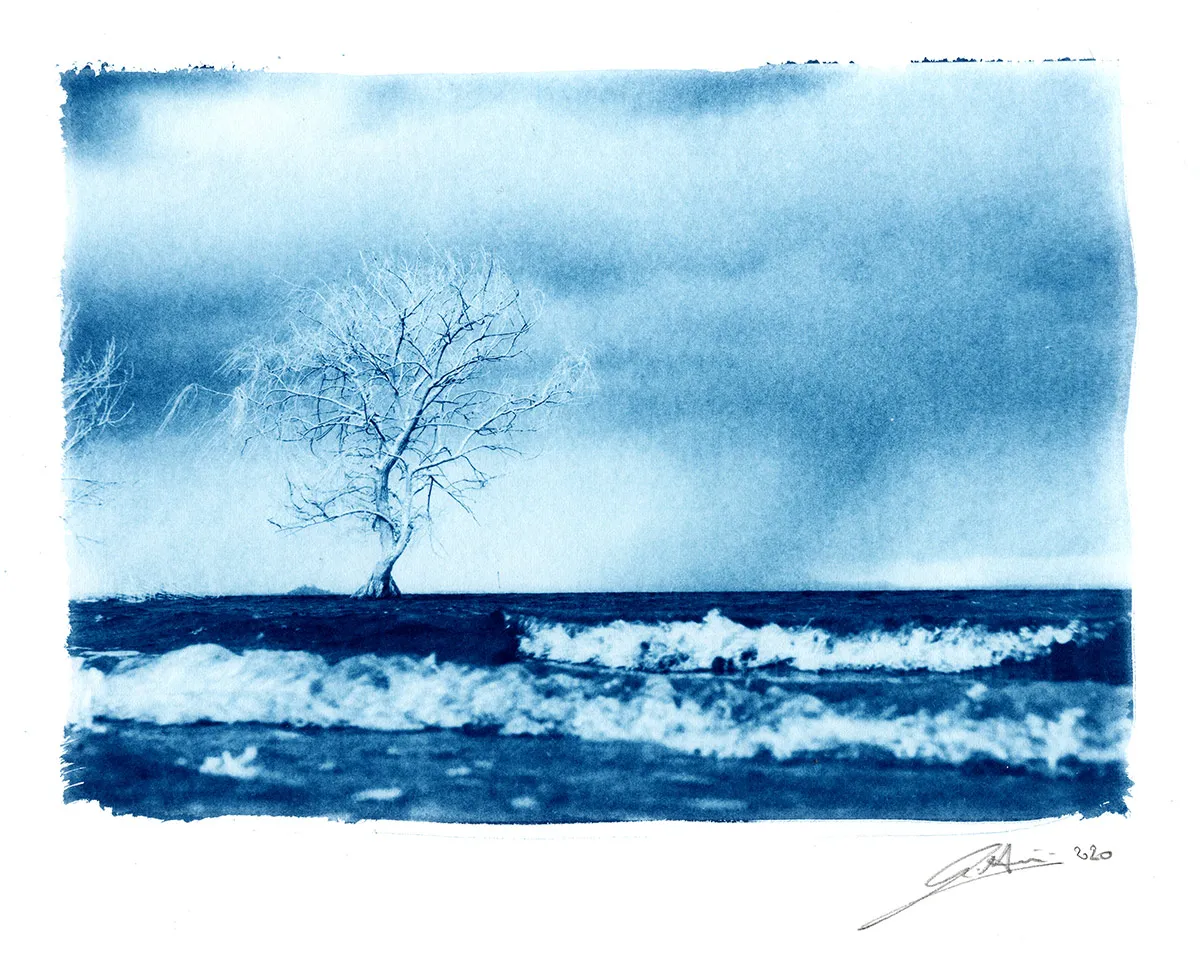
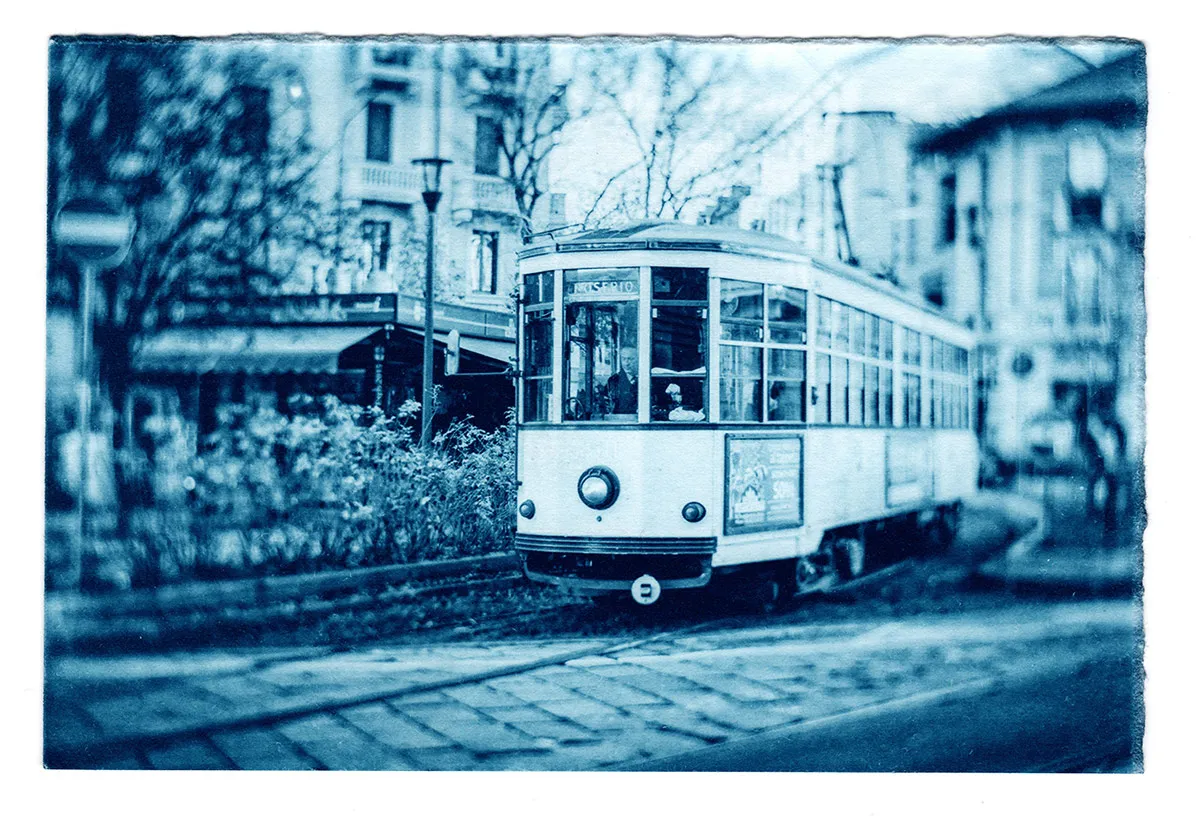
Cyanotype is an ancient photographic printing technique, known for its characteristic deep blue colour, the “Prussian blue.” Developed in the 19th century, this technique is appreciated both for its simplicity of execution and for its unique visual effect, It is reminiscent of an era of artisanal photography. Today, cyanotype has seen a renaissance in the field of artistic photography and author’s prints, attractive for photographers like Andrea Cittadini who find in the analog a distinct way of expression. Cyanotype printing allows to create images that have a depth and texture impossible to achieve with traditional digital techniques, recalling the interpretative ability of those who know how to work with light and chemistry in a non-invasive way.

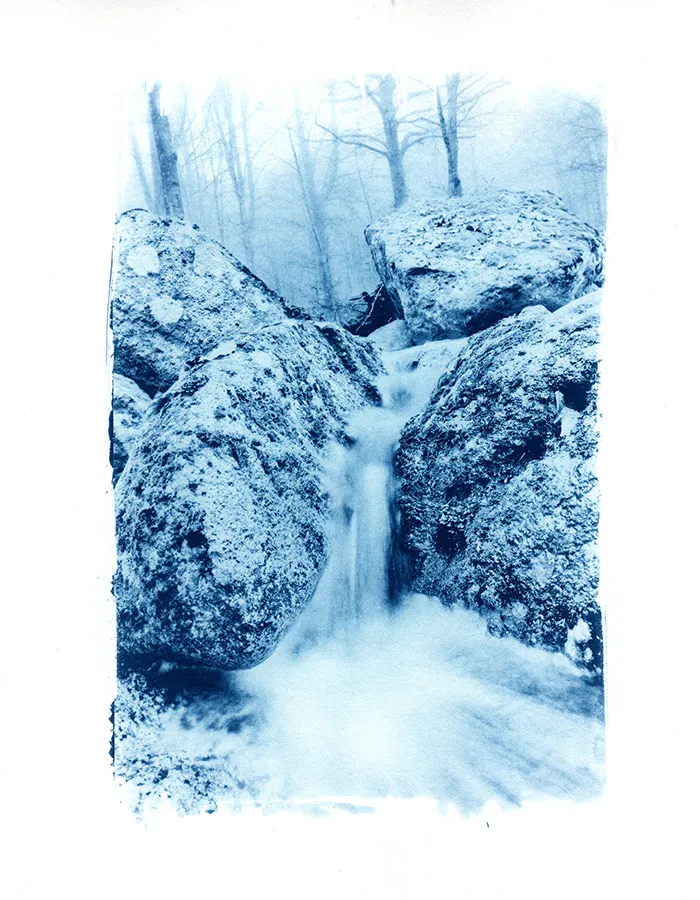
Printing in cyanotype on paper Bergger COT320
Historical notes
Printing in Cyanotype
The technique of cyanotyping was invented in 1842 by the English chemist and astronomer Sir John Herschel, known for his pioneering contributions to photography and astronomy. Originally, Herschel developed cyanography as a simple method for reproducing diagrams and scientific texts, a primitive “frame” that found wide use for its immediacy and low cost. This technique, however, quickly became appreciated by artists and photographers for the aesthetic quality of blue prints, especially after being adopted by botanists such as Anna Atkins, who in 1843 started to create detailed botanical albums using cyanotypes to scientifically document different species of plants and algae.
This made cyanotypie one of the first photocopying techniques and one of the first approaches to naturalistic photography, establishing the basis for the use of the technique in art and science.

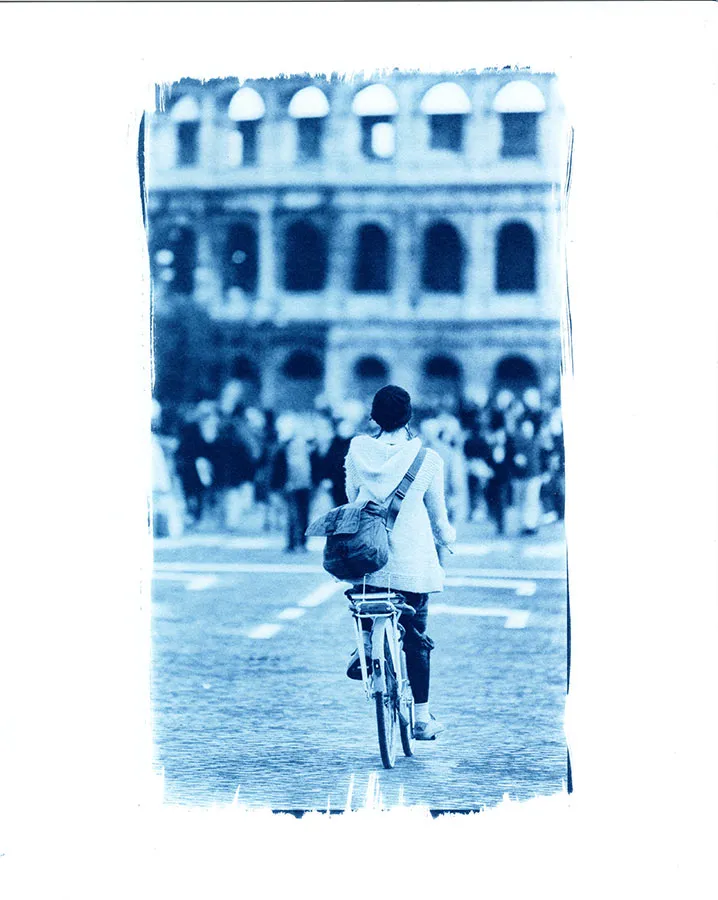
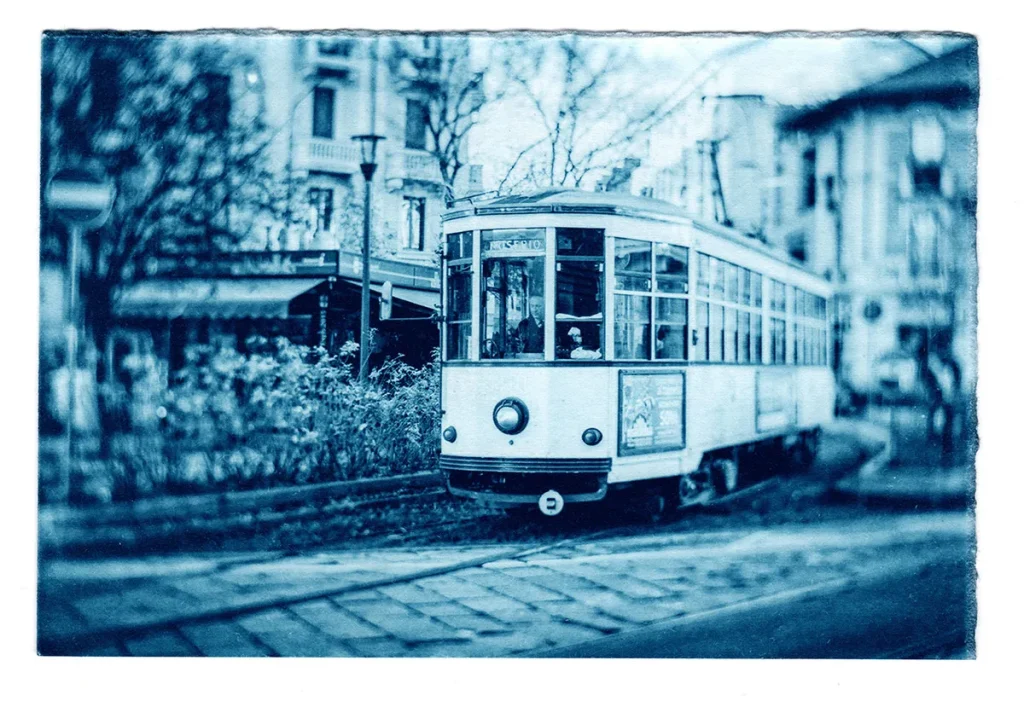
Printing in cyanotype on paper Bergger COT320
Chemicals and recipe
Cyanotype is based on a simple combination of two chemical components: potassium ferricyanide and iron ammonium citrate.
When these two solutions are mixed, a photosensitive liquid is obtained which can be applied to various surfaces including paper, fabric and even wood.
Solution A – Iron ammonium citrate (20%)
- In a dark container, dissolve 4 grams of ammonium ferric citrate in 20 ml of distilled water.
- Mix well until the mixture dissolves completely.
Solution B – Potassium Ferricyanide (8%)
- In a second container, dissolve 1.6 grams of potassium ferricyanide in 20 ml of distilled water.
- Mix well until the mixture dissolves completely.
Once applied, the solution is left to dry in a dark environment to avoid premature exposure to light. The treated surface is then exposed to sunlight or a UV lamp to obtain the image. During exposure, the areas that receive light turn to a deep blue, while the covered parts remain unchanged.
After exposure, the print is rinsed in cold water to remove chemical residue that has not reacted to ultraviolet light, thus revealing the complete cyanotype, ready for drying and storage.
Recommended paper
I usually use the Bergger COT 320 but also the Arches Platine or the 45g Washi are fine.
TONING
One of the most interesting features of cyanography is the possibility to alter the final color of the print through various processes of turning.
The virages allow you to transform the classic blue in other shades, such as sepia, grey or brown, offering an additional level of aesthetic customization.
The most common method is tea-changing, which consists of leaving the cyanotype in a solution of black tea for several hours. This procedure causes a transformation of blue into warm tones, giving a visual effect similar to that of ancient prints. Other methods include the use of coffee, or alkaline solutions such as ammonia, to obtain rich dark colors.
Each of these techniques takes time and control to prevent the image from losing definition, but it allows you to customize each print in a unique way. The variety of effects obtainable makes the virage particularly attractive for contemporary artists and author photographers.