DISCOVER THE
Brown print
Van Dyke
Historical photographic print at contact
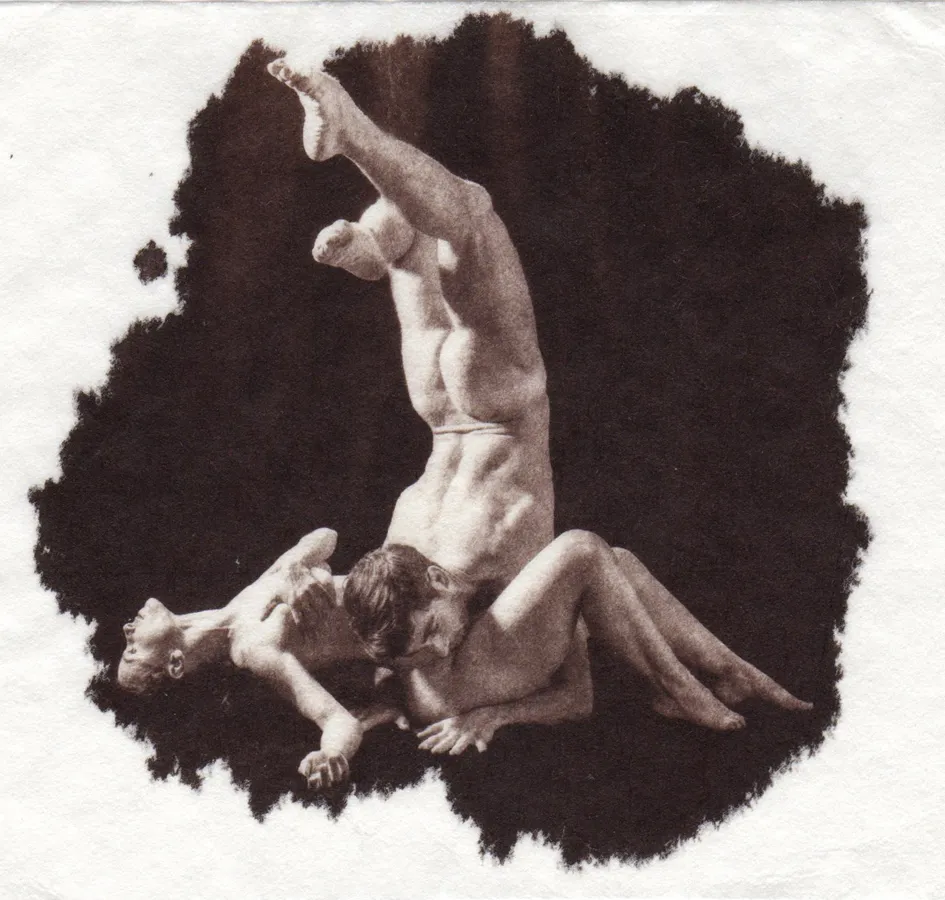
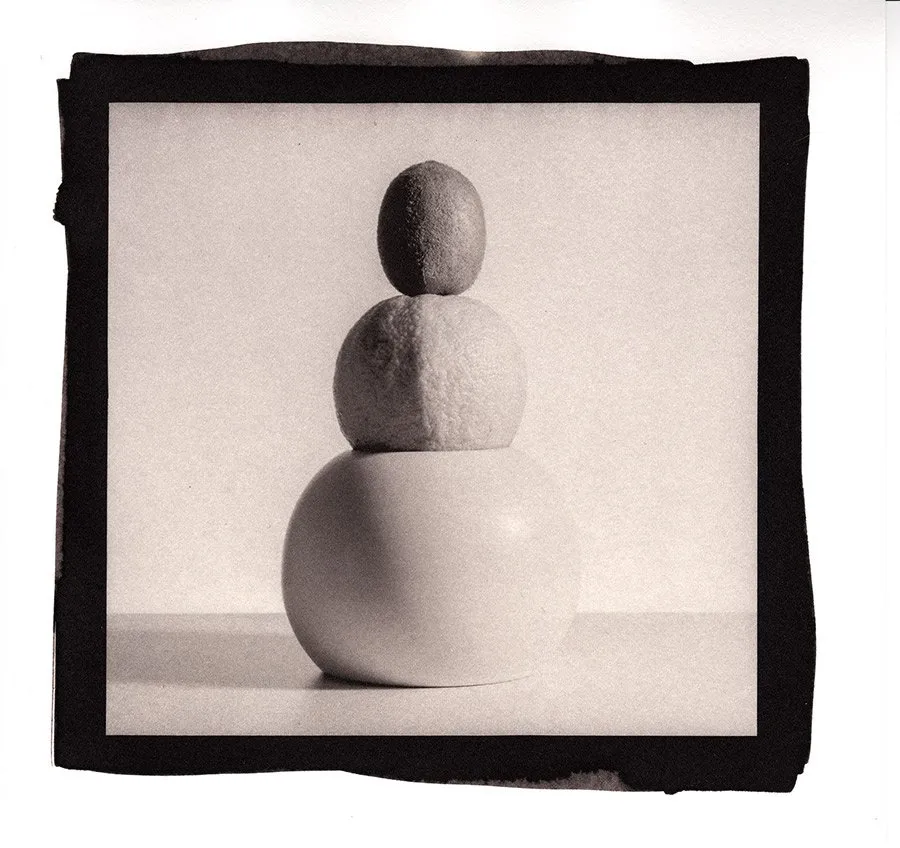
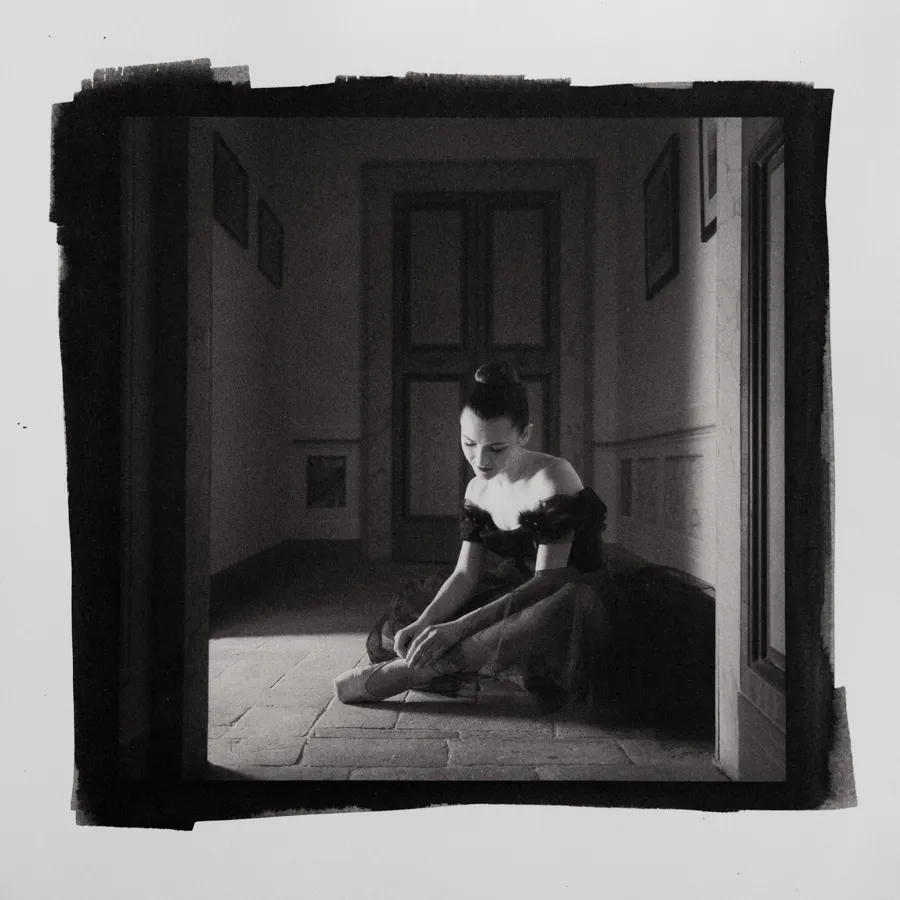
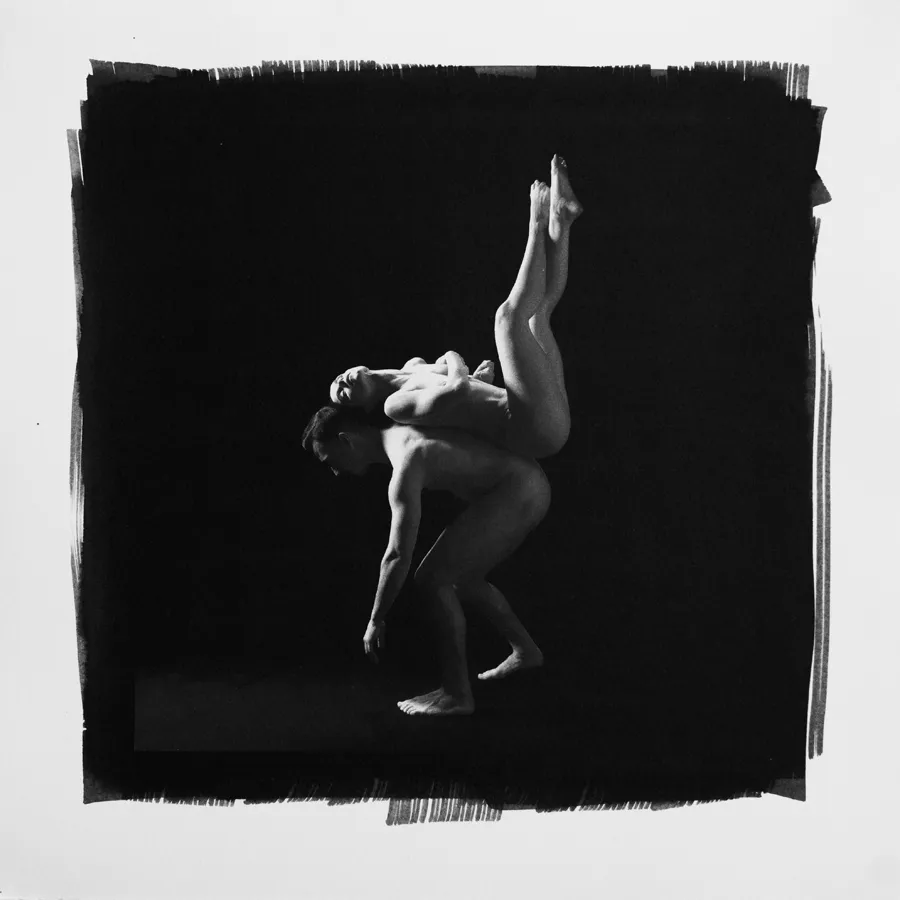
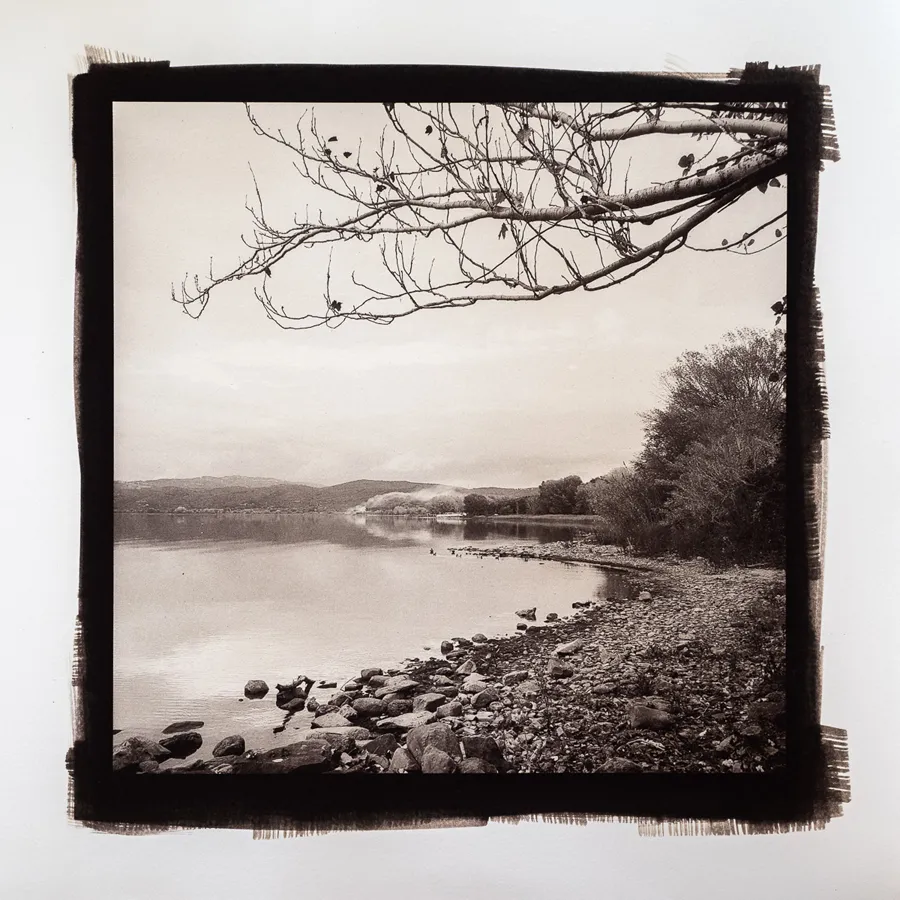
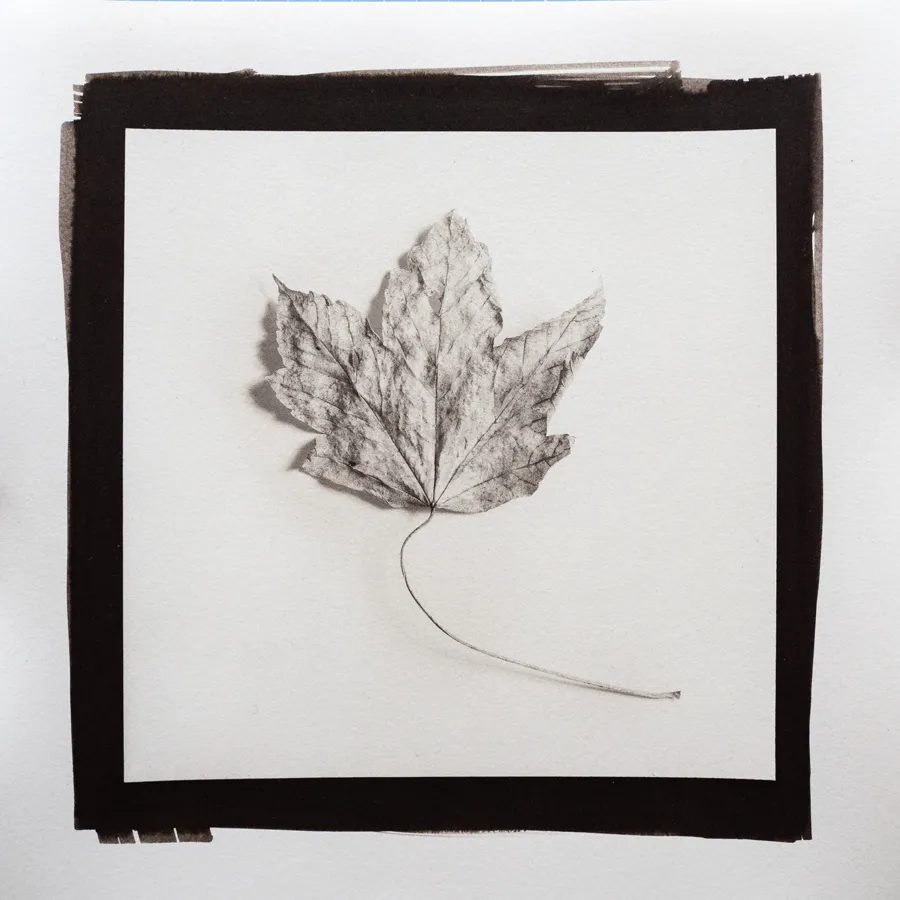
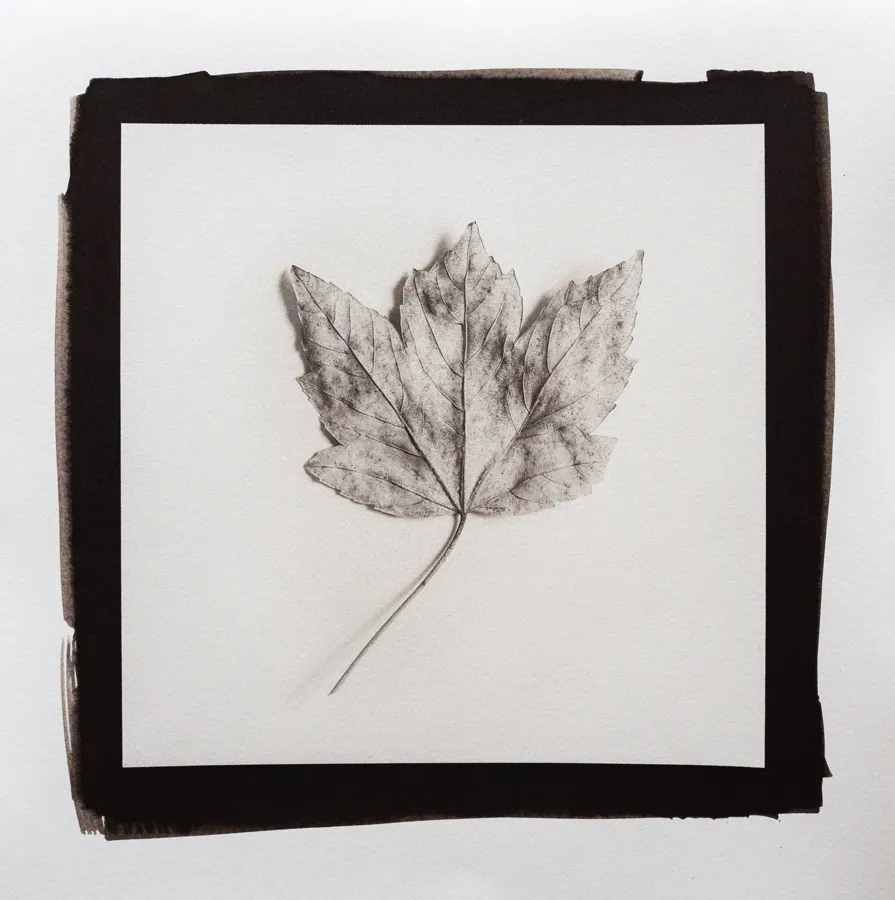
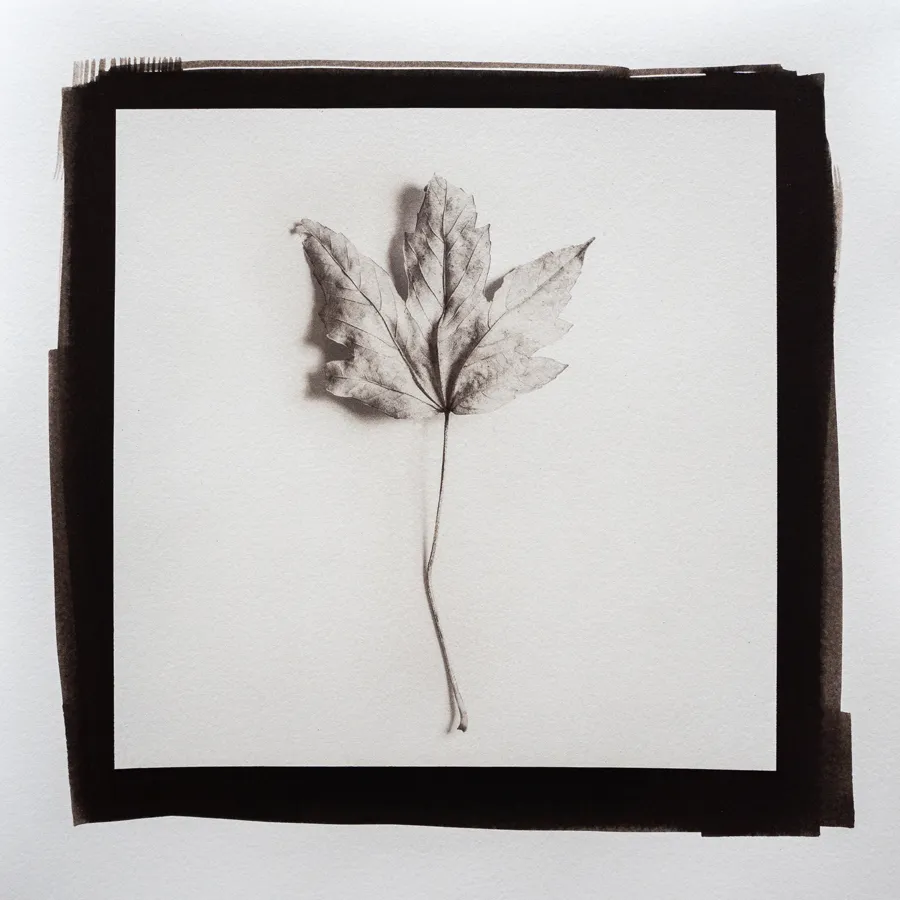
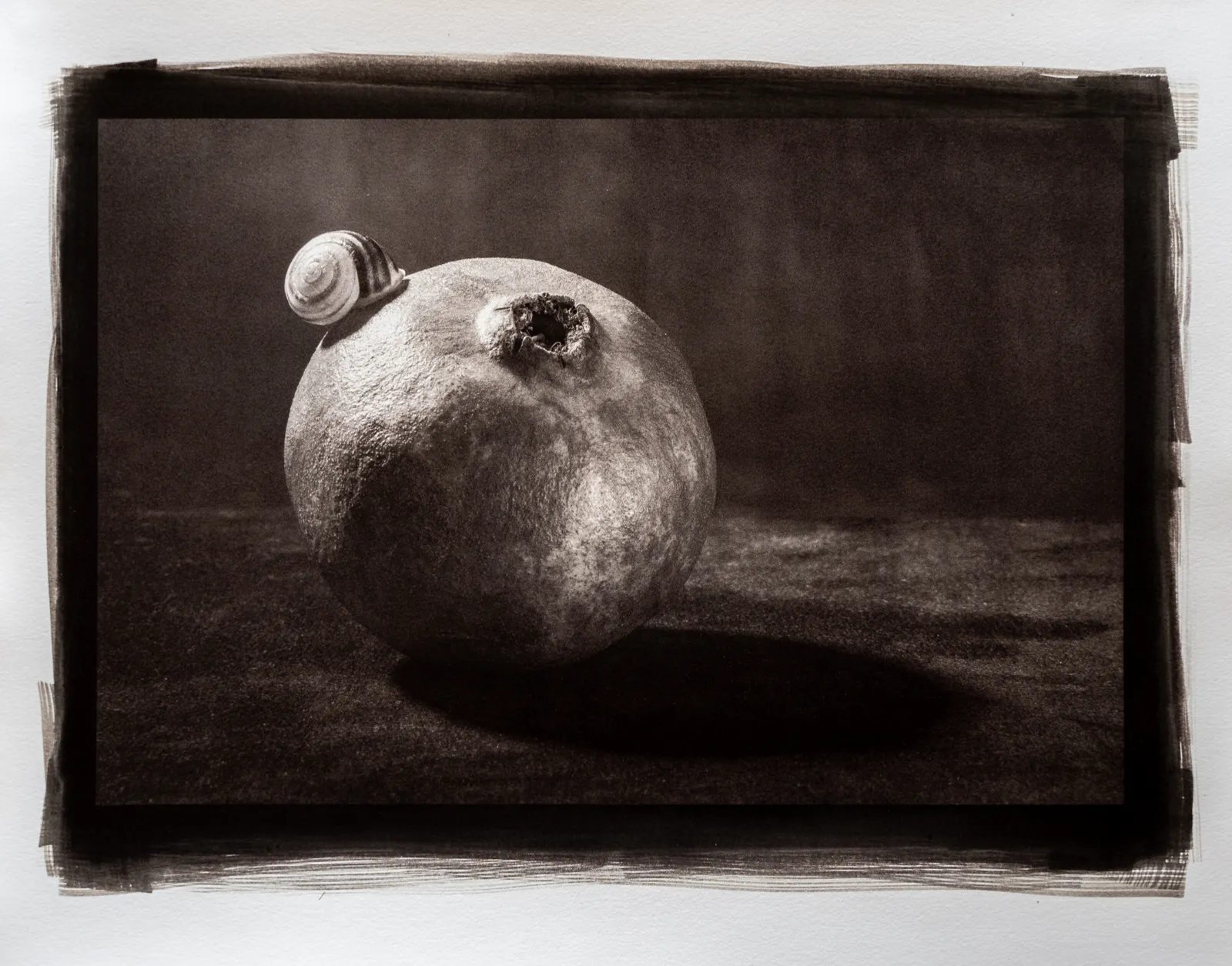
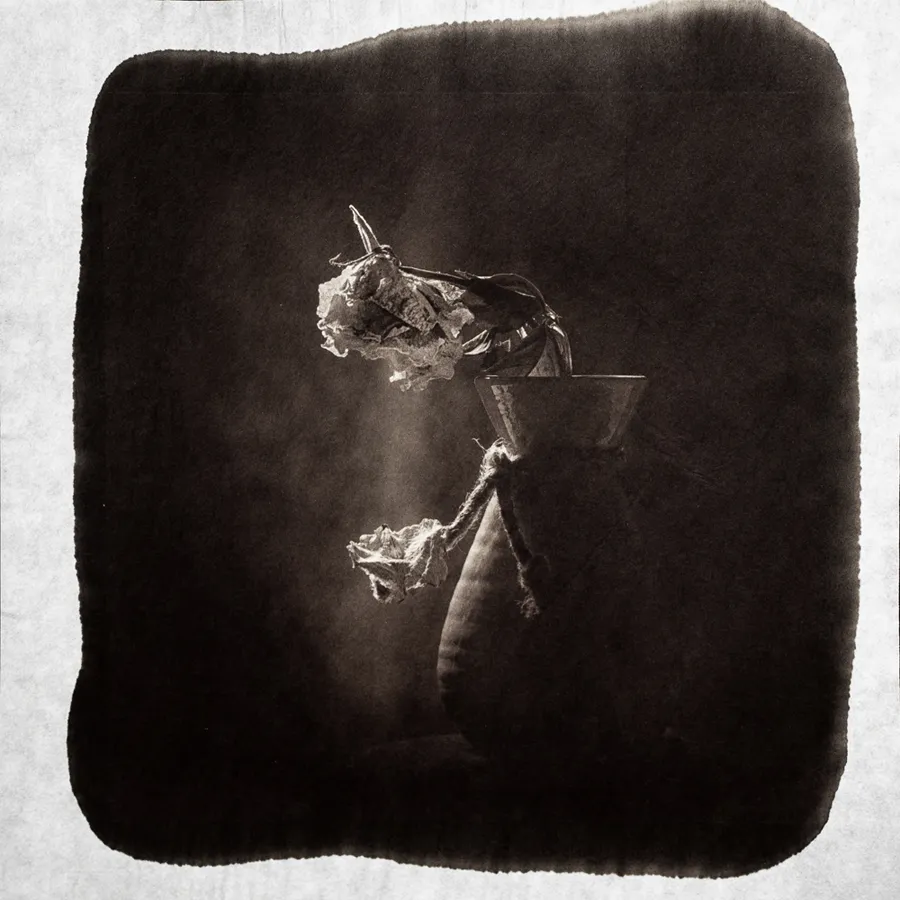
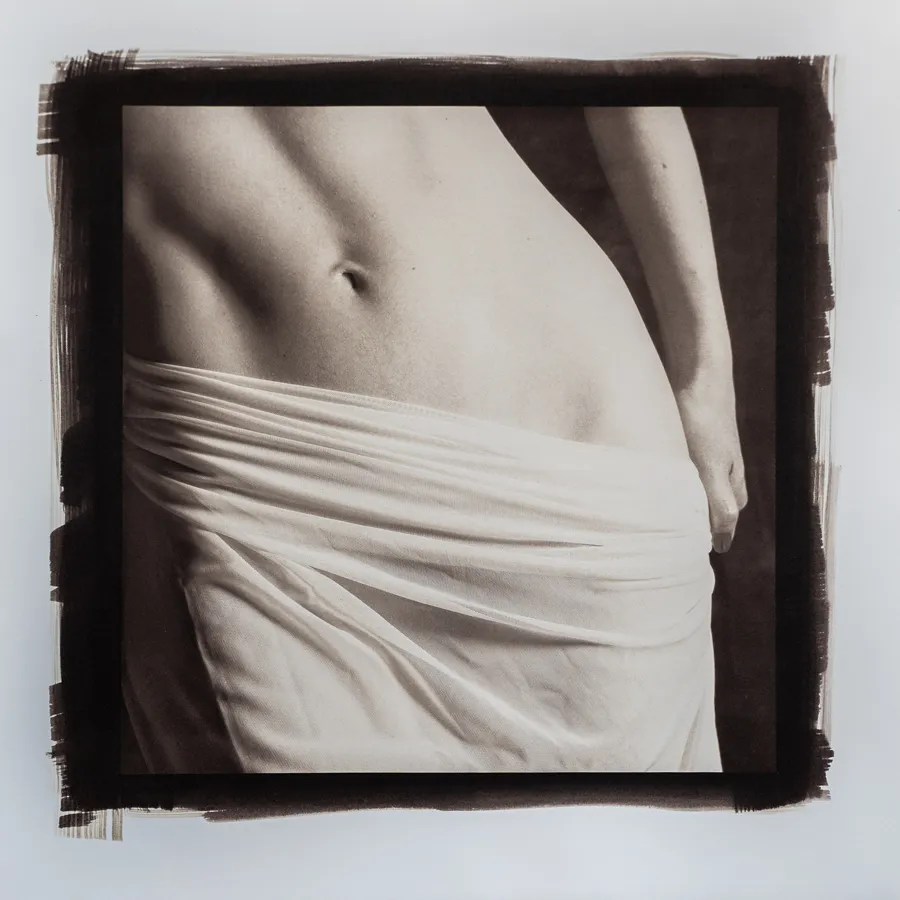
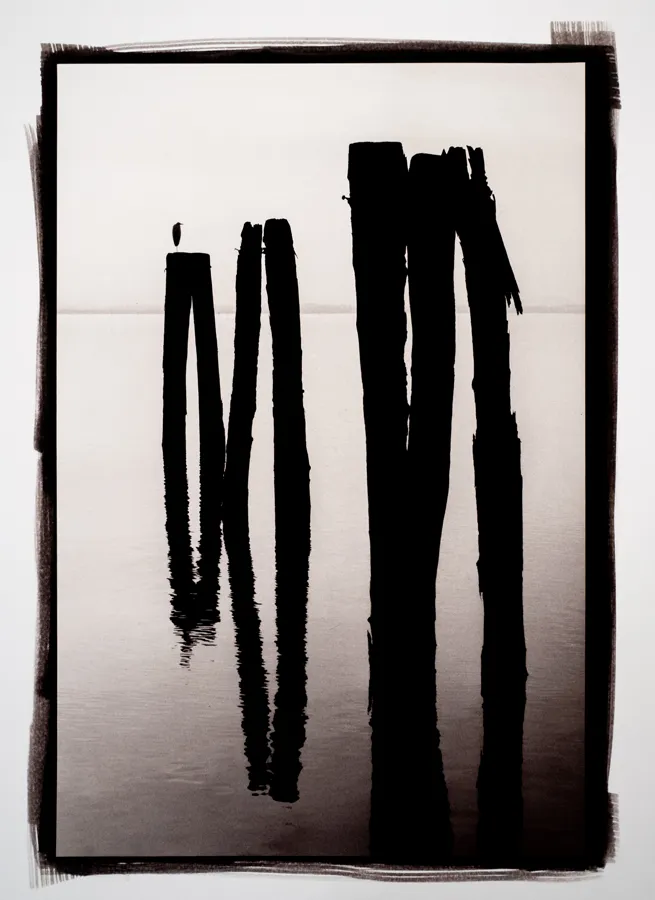
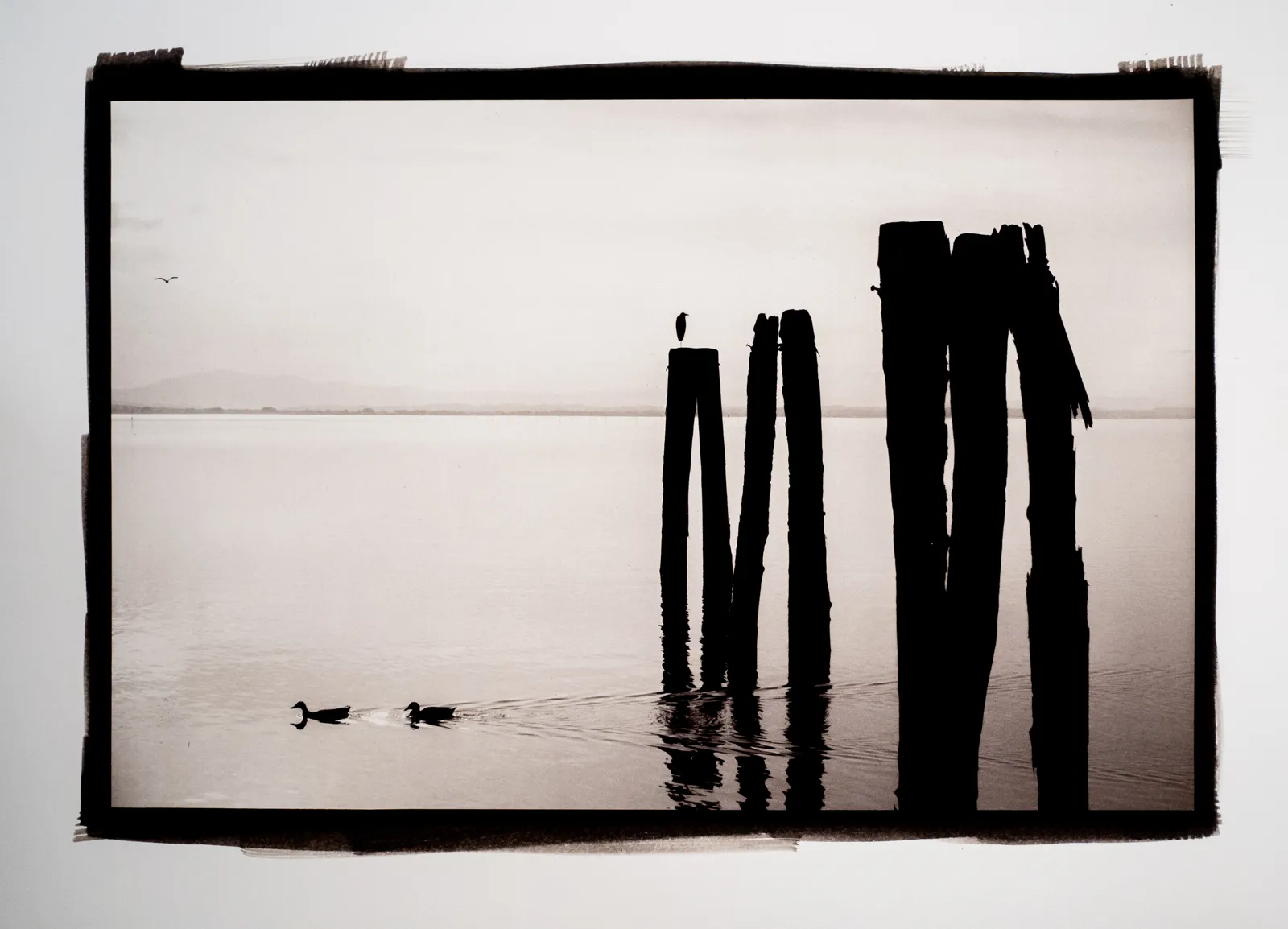
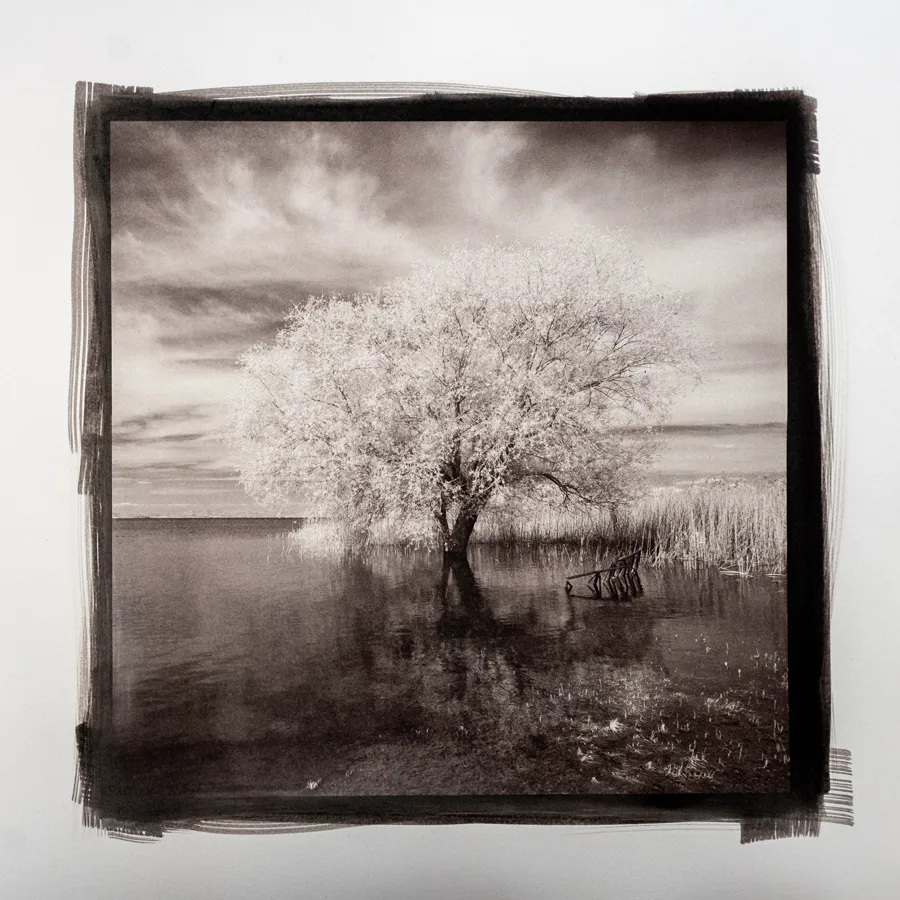
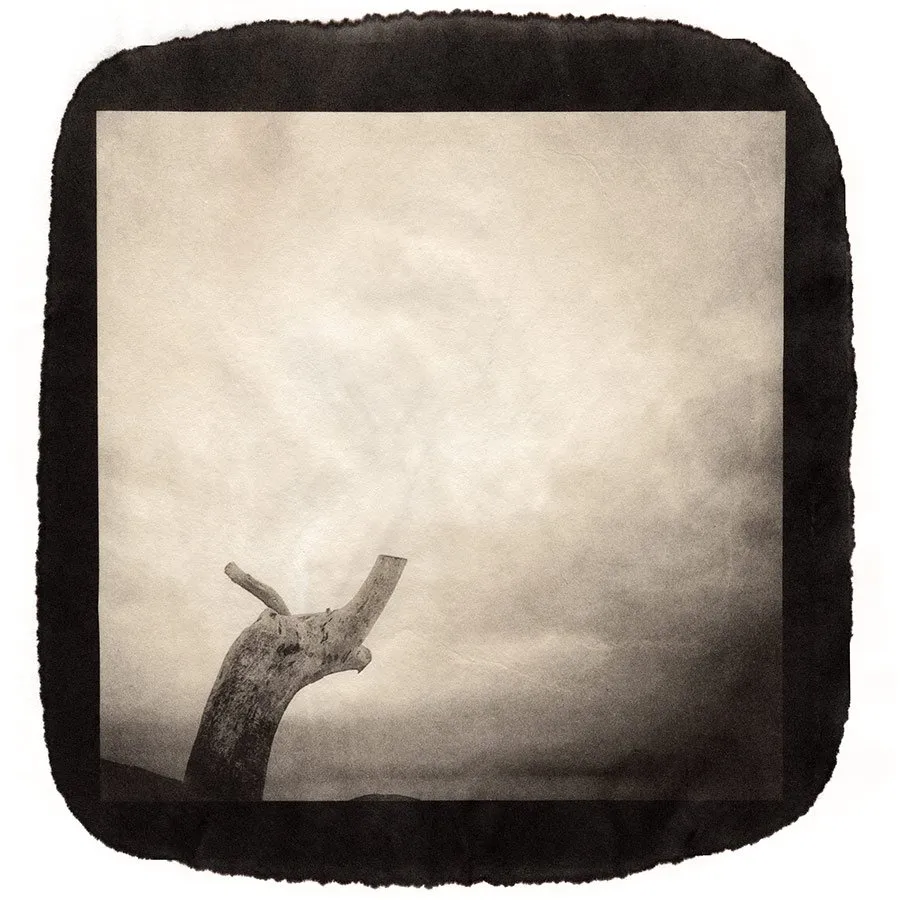
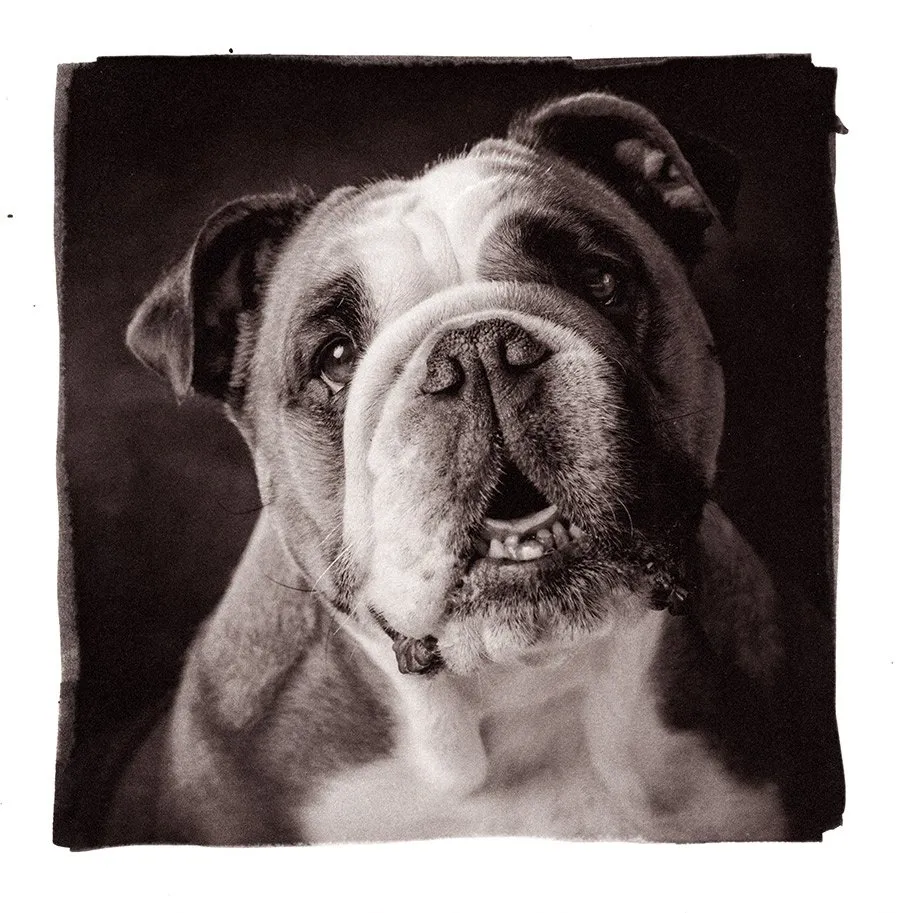
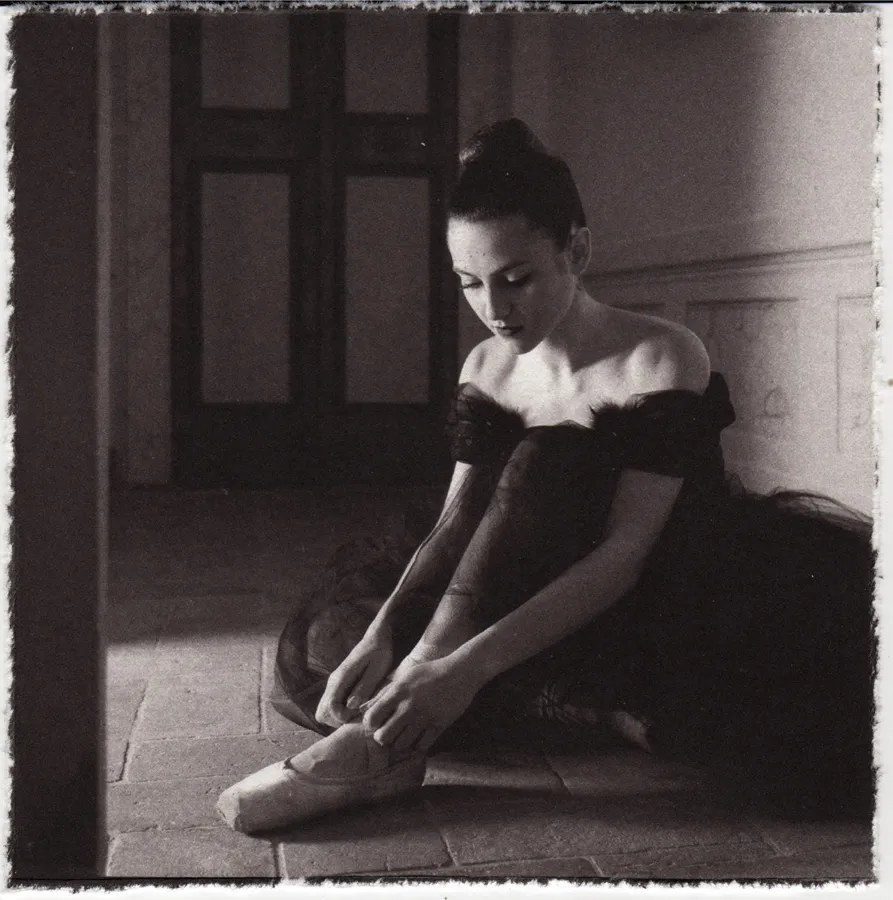
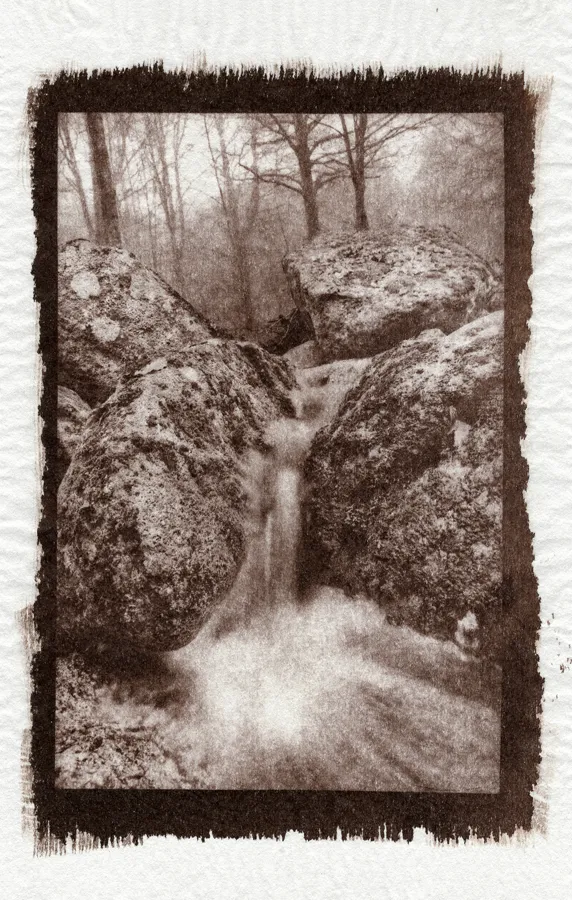
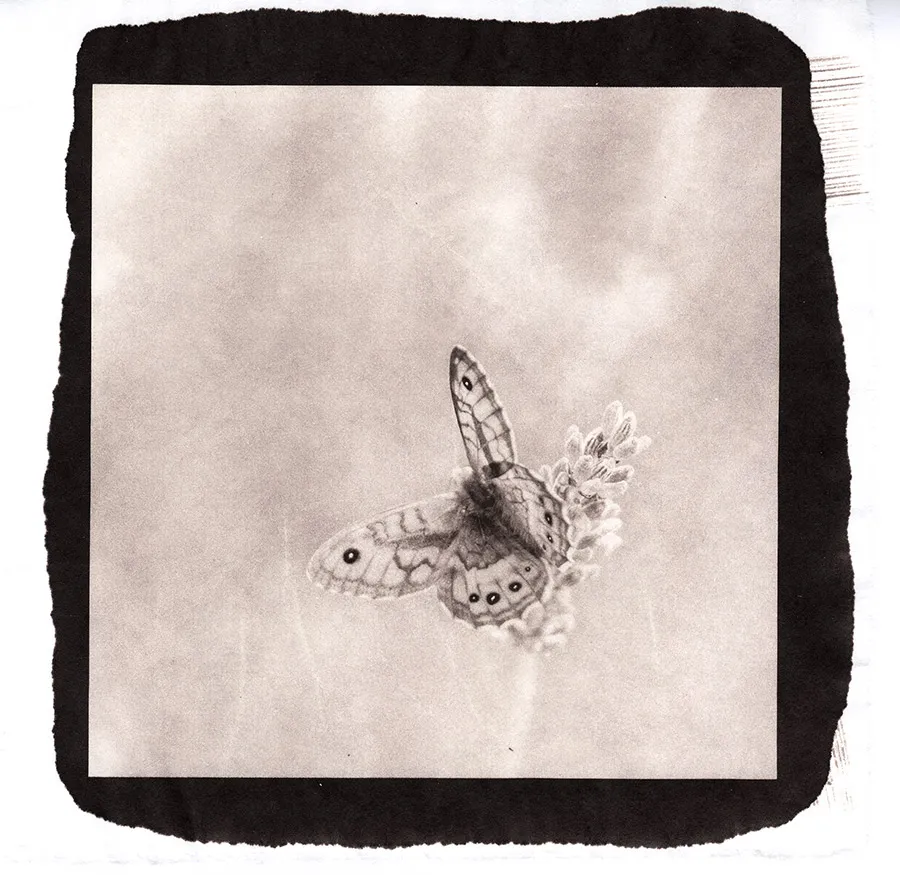
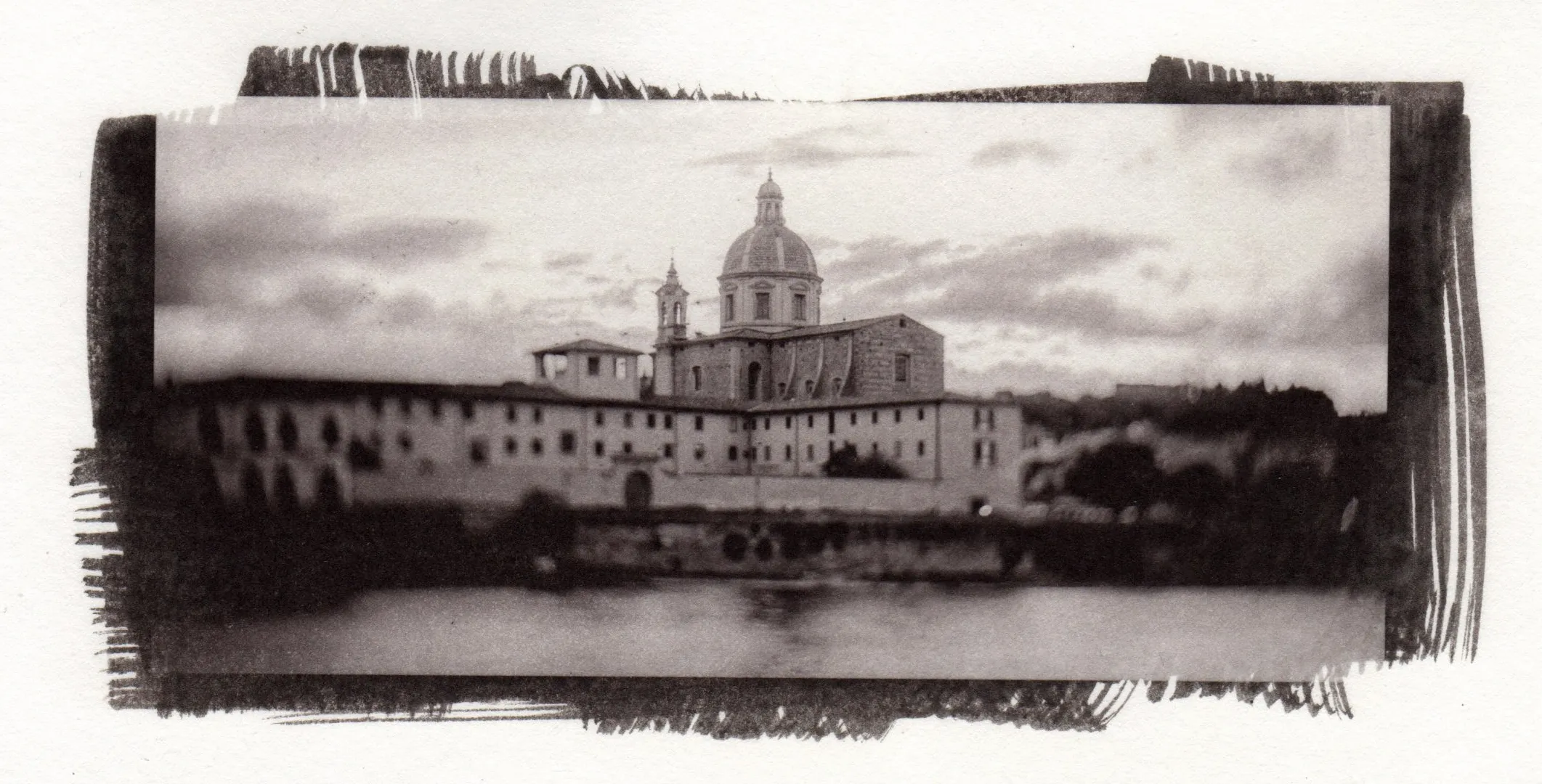
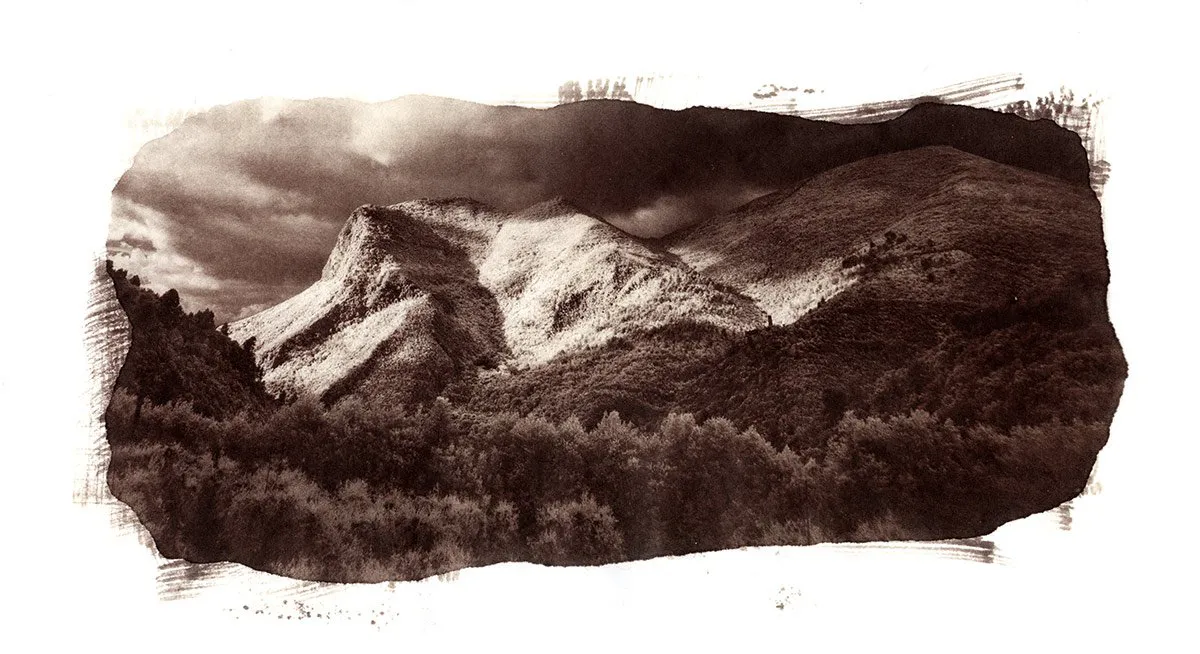
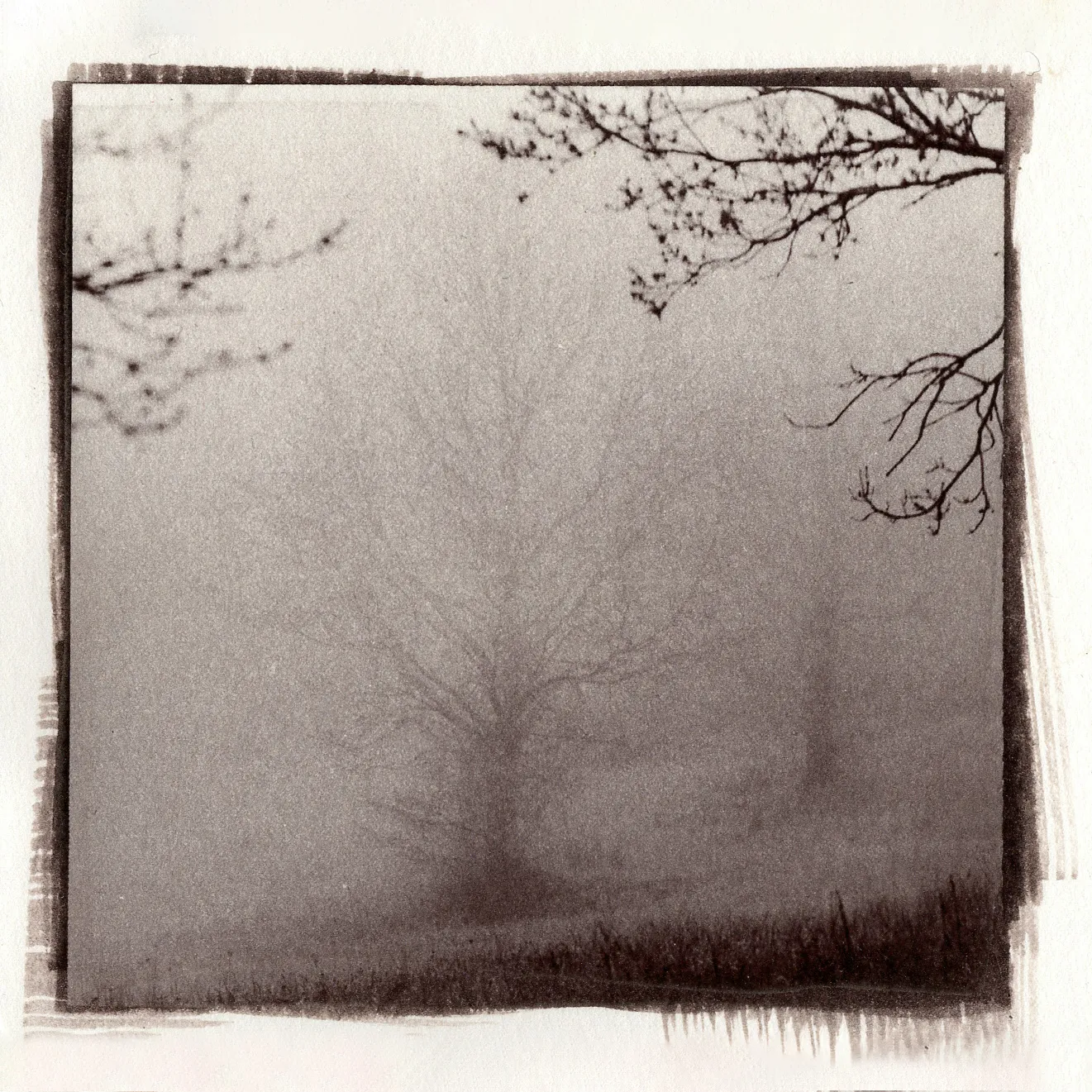
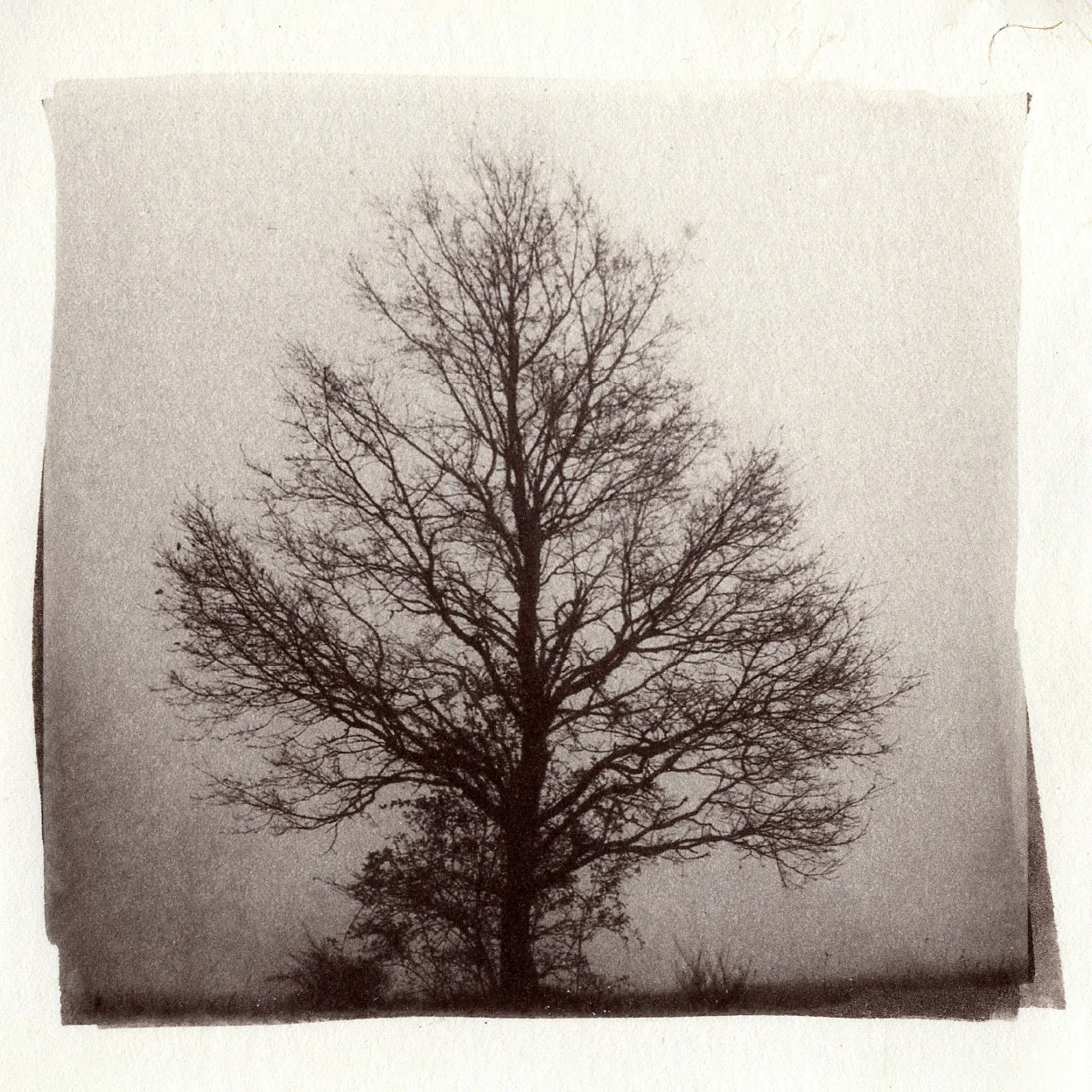
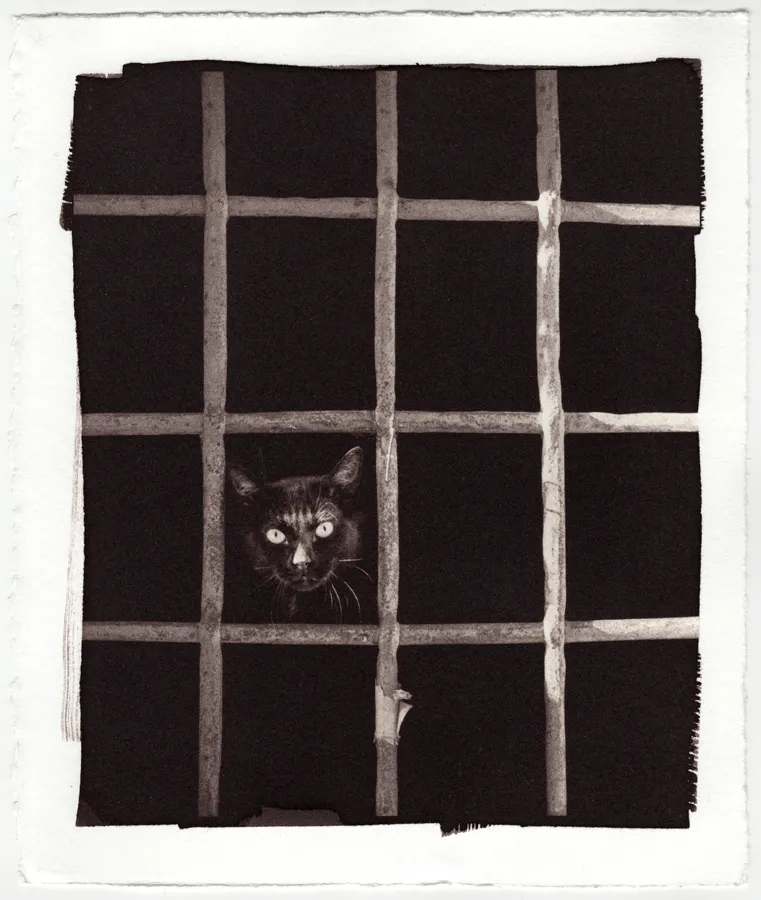
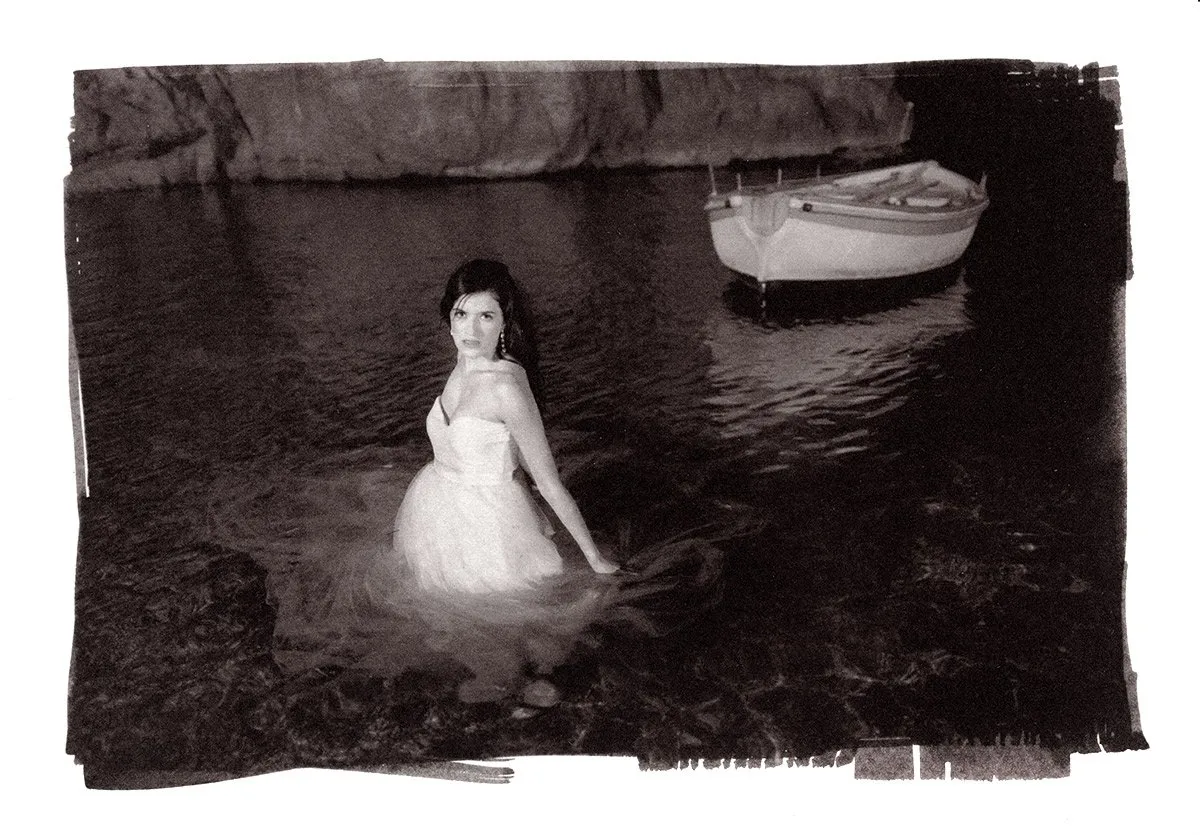
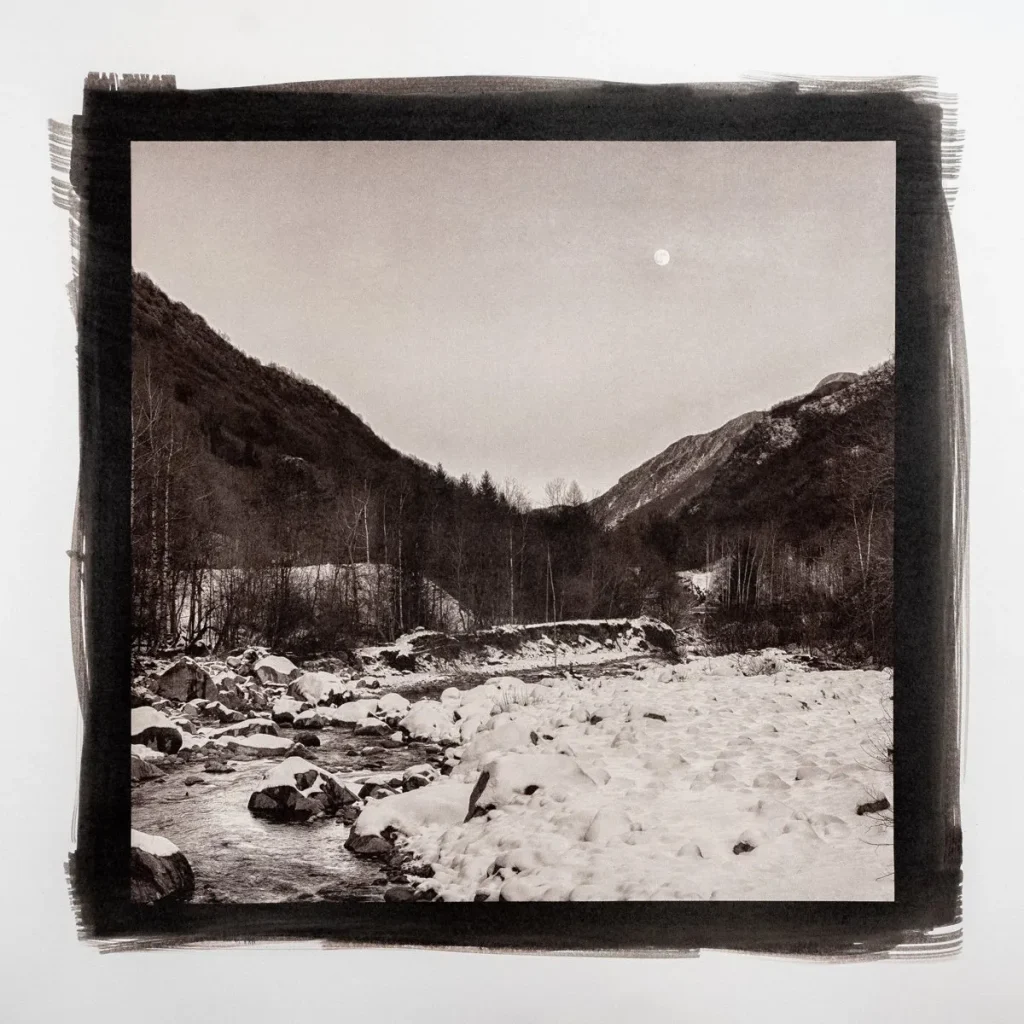
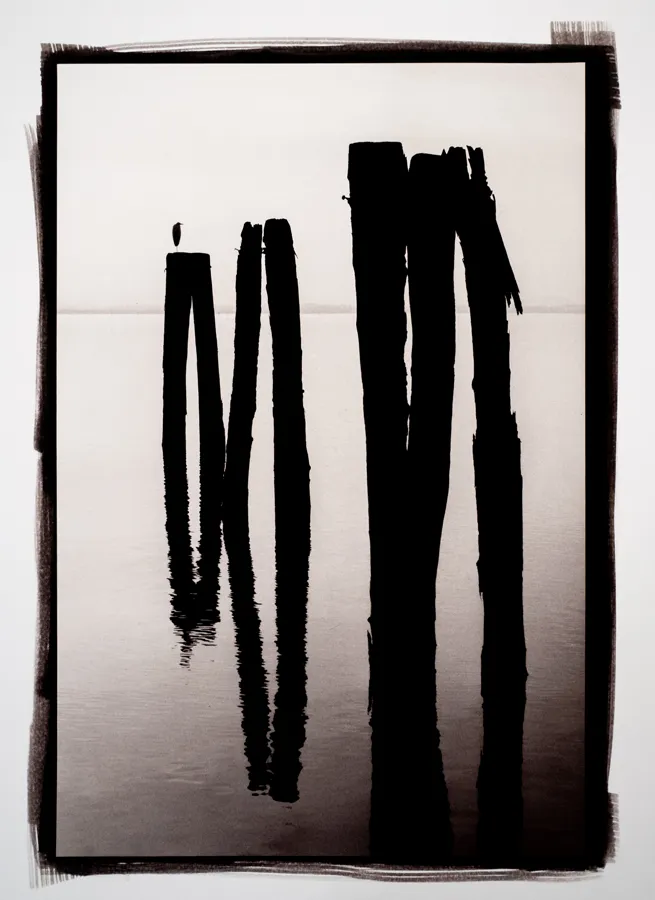
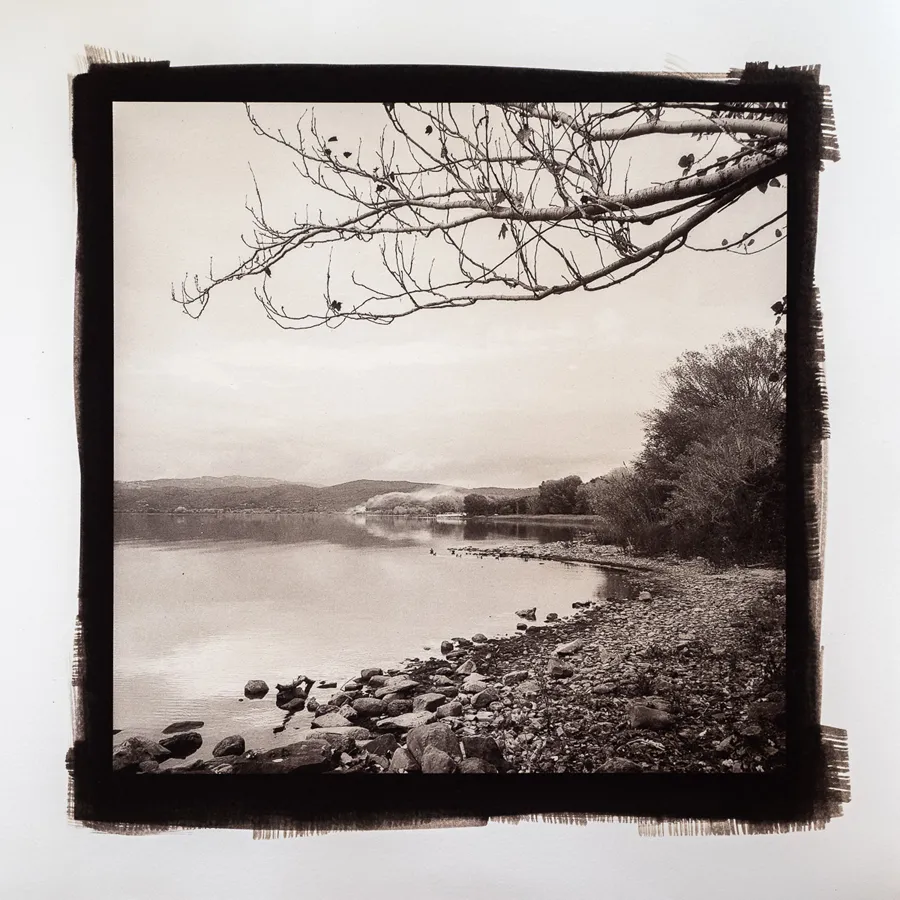
The brown print Van Dyke is the latest ancient printing technique, in order of time, to have become my favorite ever.
With the proper attention and care in the preparation of the chemistry and the negative, the brown print allows a result comparable (although not equal) to the Platinotype.
As the name suggests, it is a warm tones black and white print that “evolves” in 48/72 hours after drying gradually going from light brown to warm black and white.
This feature, however, complicates the calibration of the digital negative as it requires at least 48 hours of waiting between one correction and the other of the distribution curve.
Can be turned to Selenium or Gold.

Small historical note
The Van Dyke press
The ancient printing technique of Van Dyke (also called brown printing) comes from the Callitipia which is a technique developed in 1889 by Arndt and Troost.
Named after Anton Van Dyke, a Flemish painter famous for the beauty of his brown tones.
This process is a hybrid between cyanotype and the classic silver salt printing.
Being born a decade after the platinotype, it has never been a particularly appreciated process even if it allows to obtain excellent prints if well executed.
Like all the ancient printing techniques of that period, this one is also made by contact so you need a negative of the size of the final print.
Chemicals and recipe
Chemistry, as mentioned above, is a hybrid between cyanotype and argeto-salt printing.
Here is the basic recipe:
The emulsion is prepared with three different solutions:
Solution A: 9g of Ammonium Iron Citrate dissolved in 33ml of distilled water
Solution B: 1.5g of tartaric acid dissolved in 33ml of distilled water
Solution C: 3,8g of Silver Nitrate dissolved in 33ml of distilled water
The solutions A and B are combined with attenuated light, then the result is added to the C. You must mix everything well and leave it for 24/48 hours before first use.
The emulsion can be used for several months if stored in a cool and dark place.
After exposure, the print should be washed in a 3% citric acid water bath for 3 minutes.
The second bath should be made in sodium thiosulphate 2% for 2/3 minutes.
Finally, the print should be washed for a long time in running water (at least 30 minutes).
recommended paper
I usually use the Bergger COT 320 but also the Arches Platine or the 45g Washi are fine.