
The Timeless Charm of Wetplate Collodion
An ancient photographic technique to be rediscovered
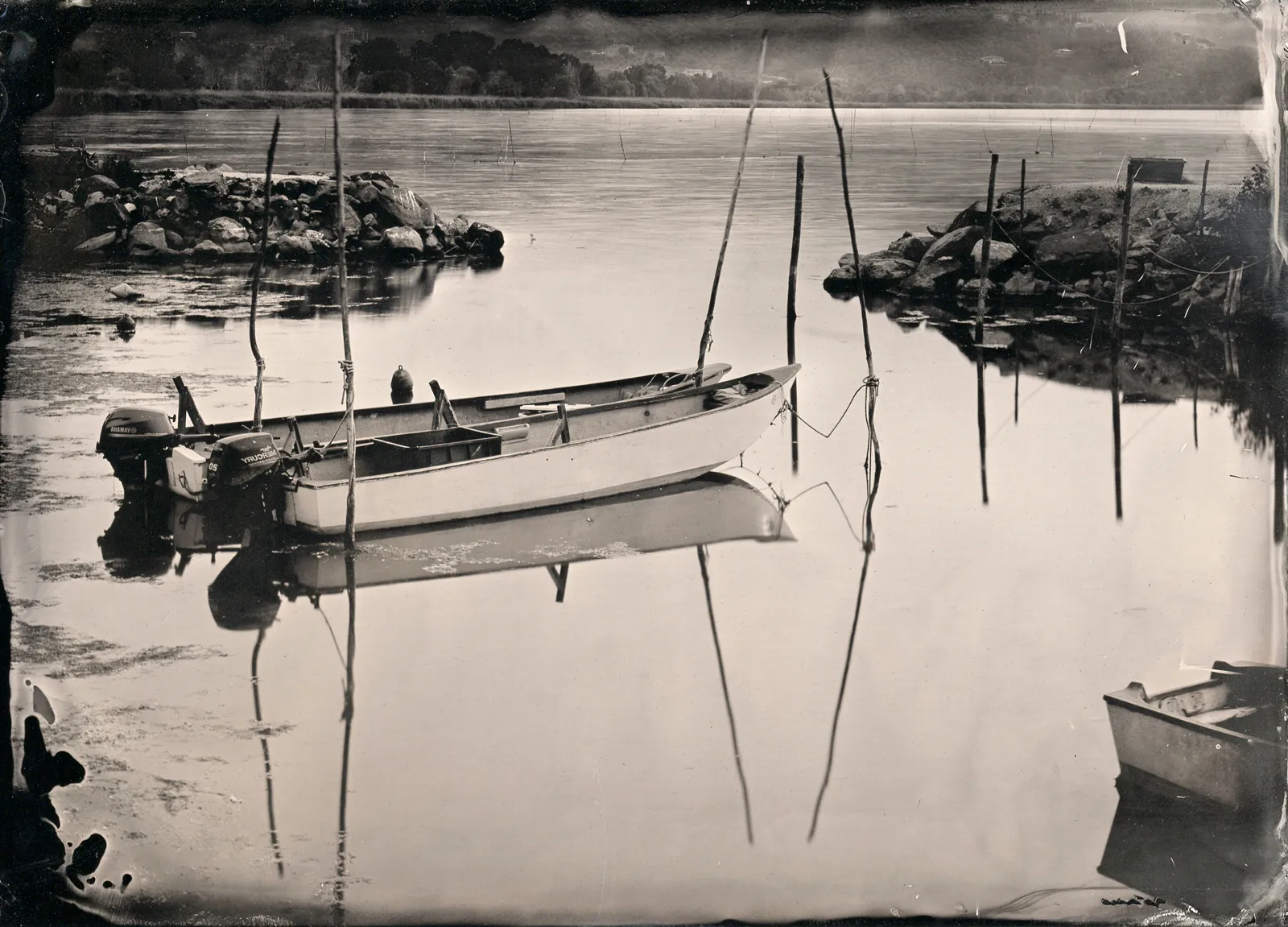
The history of photography is littered with innovations that have transformed the way we capture and share images. Among these milestones, the “wetplate collodion” stands out, an ancient photographic technique that has fascinated generations of artists and photography enthusiasts. In this article, we will explore the small story behind wetplate collodion, its modern applications and why you should consider delving into this fascinating technique.
Small History of the Wet Collodion
Wetplate collodion was introduced in 1851 by Frederick Scott Archer, opening the door to a new era in the art of photography. This technique involves the preparation of glass plates coated with a layer of collodion sensitized to light and then immersed in a solution of silver nitrate. The result? Fascinating and detailed images with a characteristic vintage look. In the 19th century, wetplate collodion quickly became popular, but it required technical expertise and flawless execution. The complexity of the process and the fascination of the results helped to create an aura of wonder around this technique.

Modern applications
Although wet collodion had its peak in the Victorian era, it continues to fascinate and inspire modern artists and photographers. Contemporary applications of wet collodion range from artistic photography to use in film settings and even inclusion in multidisciplinary projects. Fans of alternative photography and historical processes find in wet collodion a unique way to express their creativity. The tonal nuances and nostalgic atmosphere of images produced by wet collodion are able to capture the attention of anyone.
Reasons for Deepening the Technique
- Artistic Exploration: The wetplate collodion offers an opportunity to explore photographic art in a different way. Plate preparation and exposure require attention to detail and creativity, allowing you to create unique and engaging images.
- Historical Connection: Immersing yourself in the world of wet collodion means connecting with the very roots of photography. This technique allows you to experience the same experience that 19th century photographers would have experienced, contributing to a deeper understanding of photographic history.
- Distinguished Aesthetics: Images produced with wet collodion have a timeless atmosphere and tactile quality that sets them apart from modern digital photographs. This process offers the possibility to create authentic and memorable works of art.



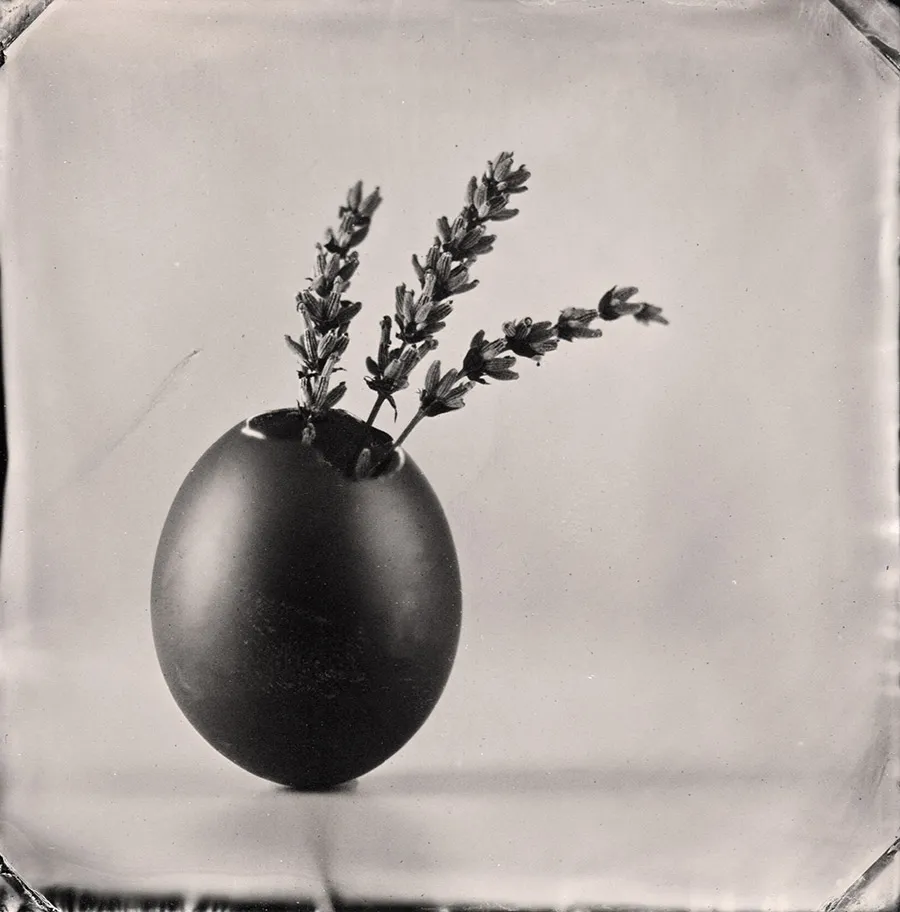
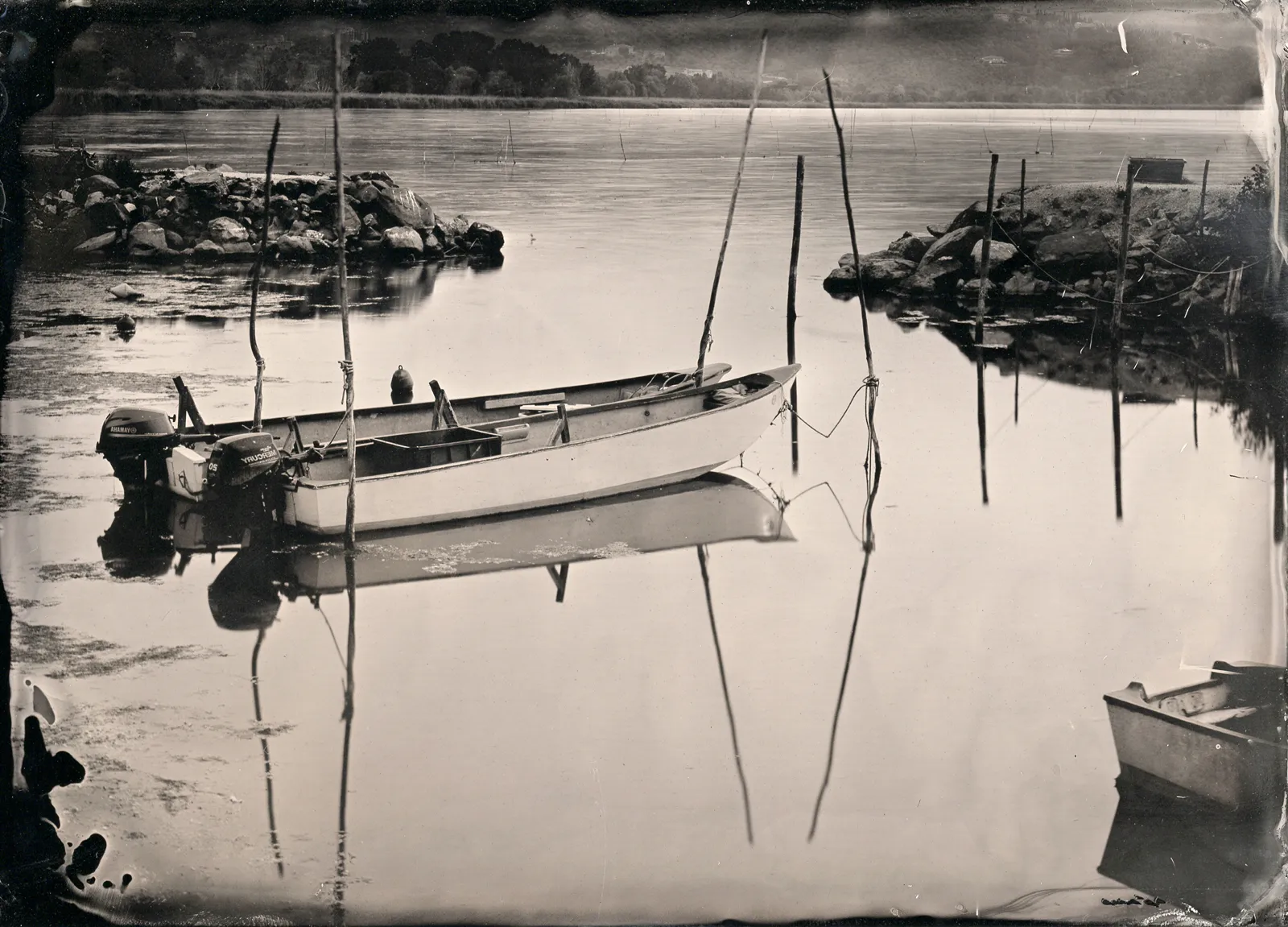


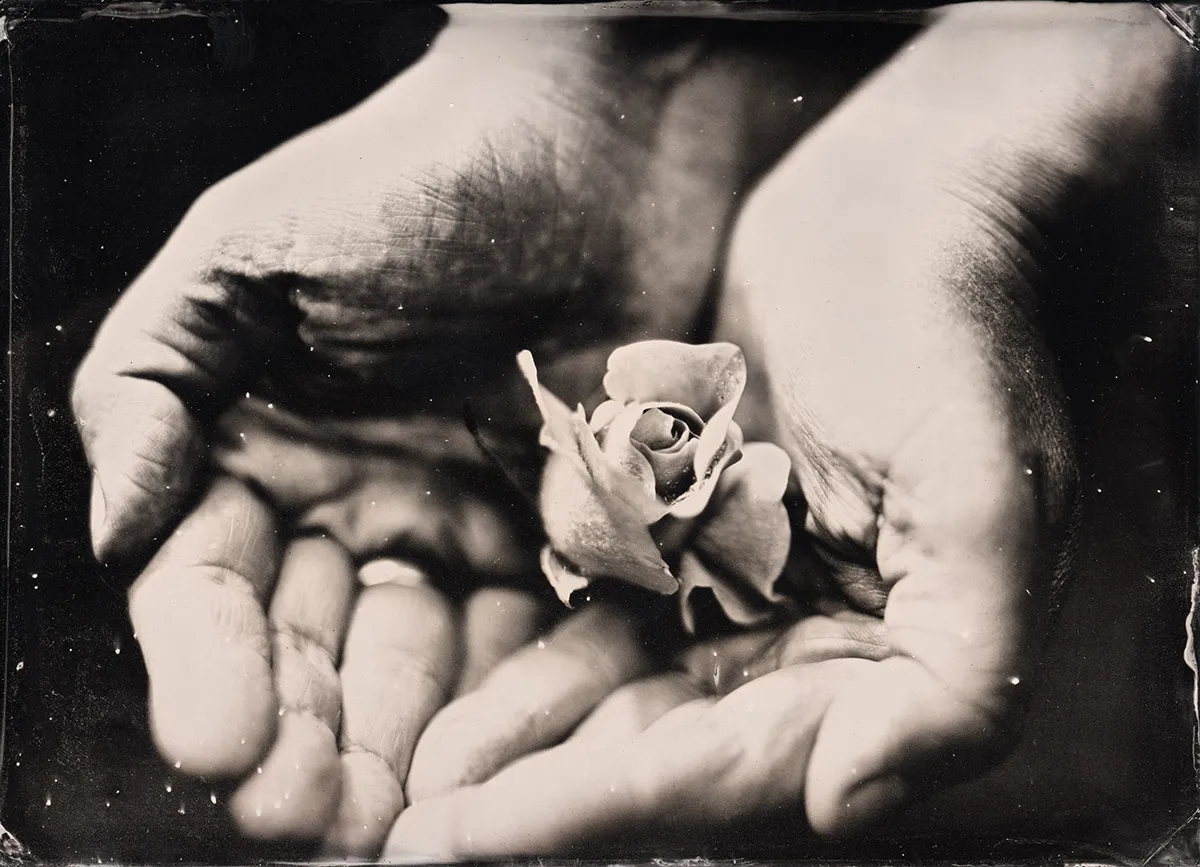
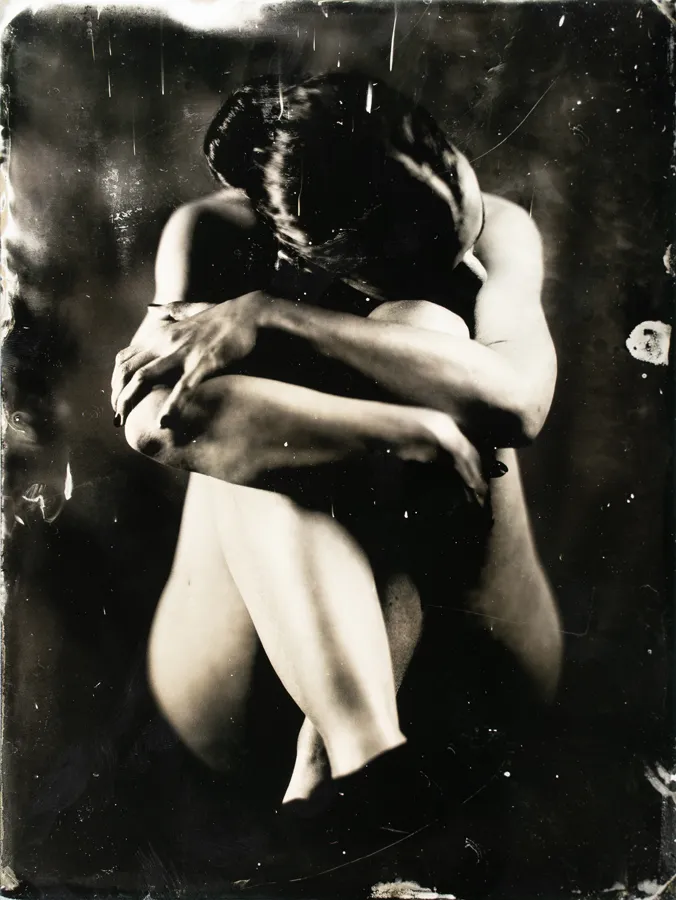
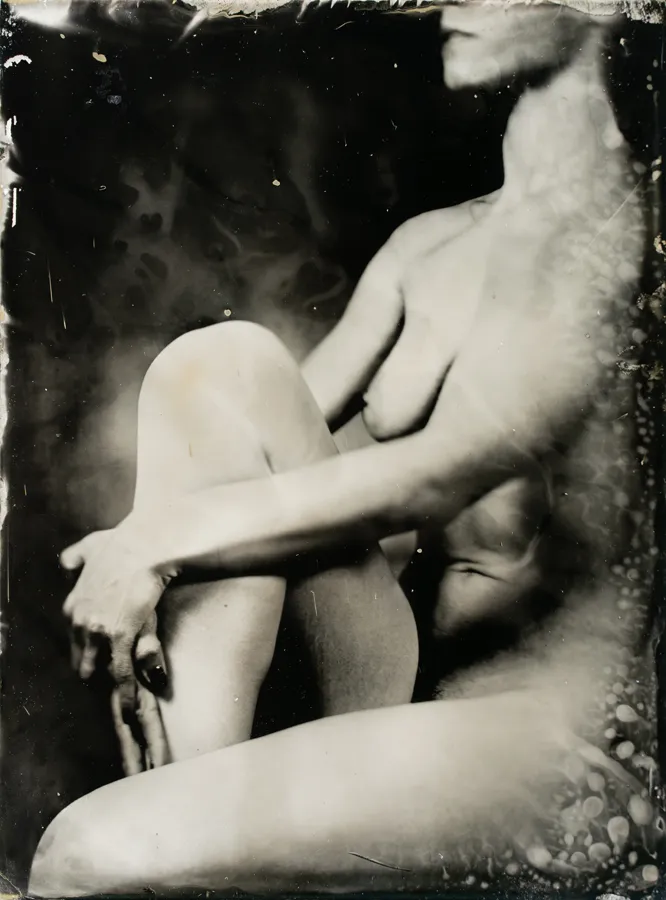
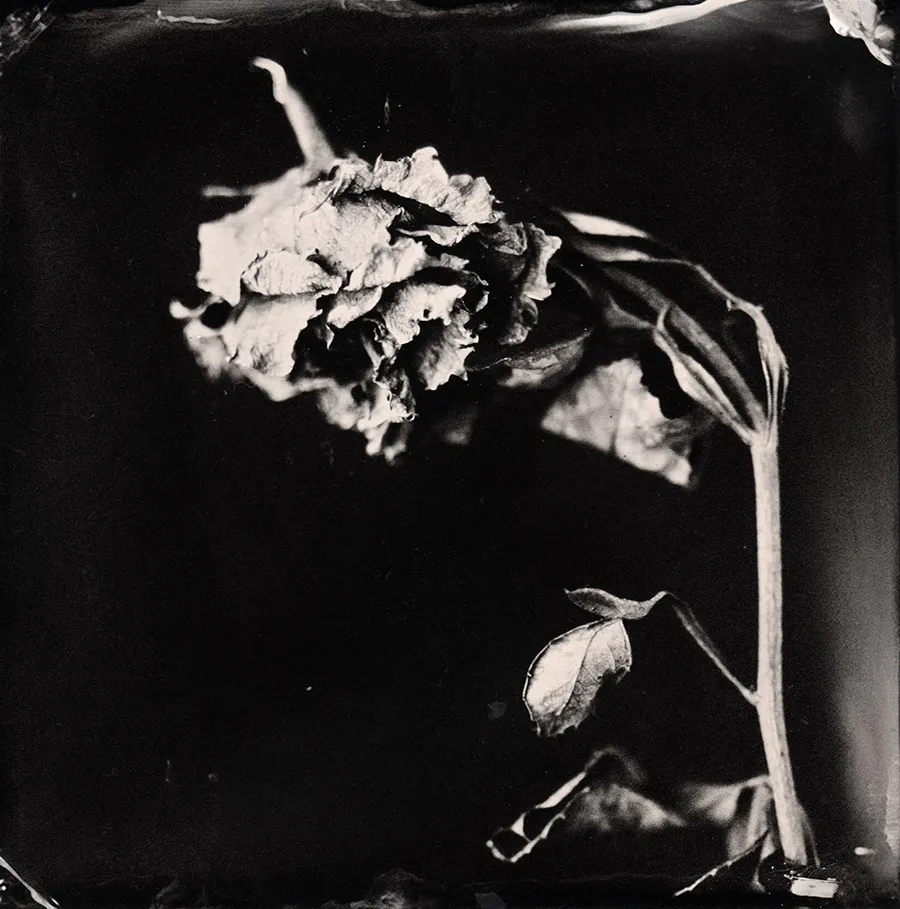
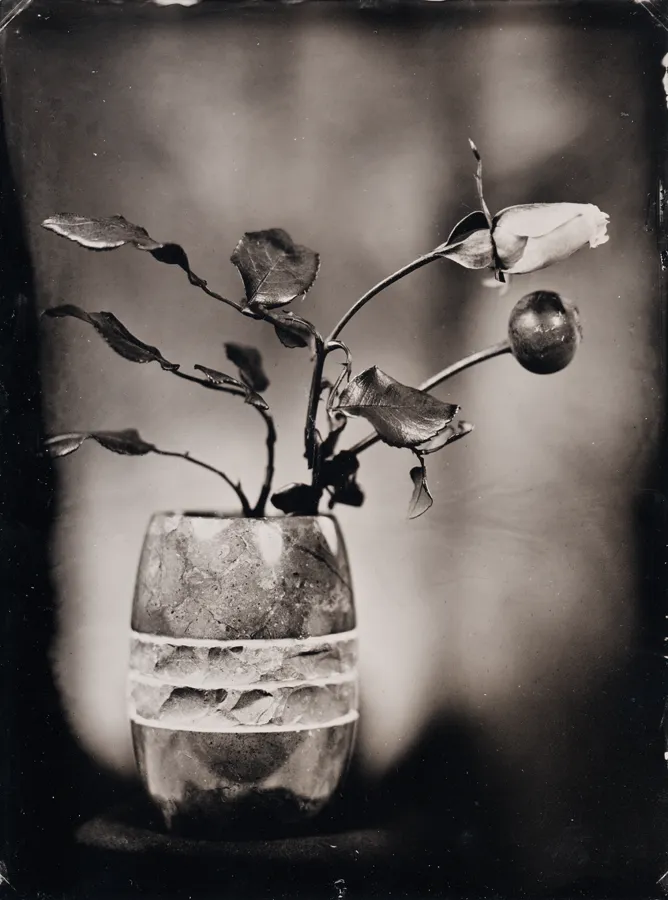

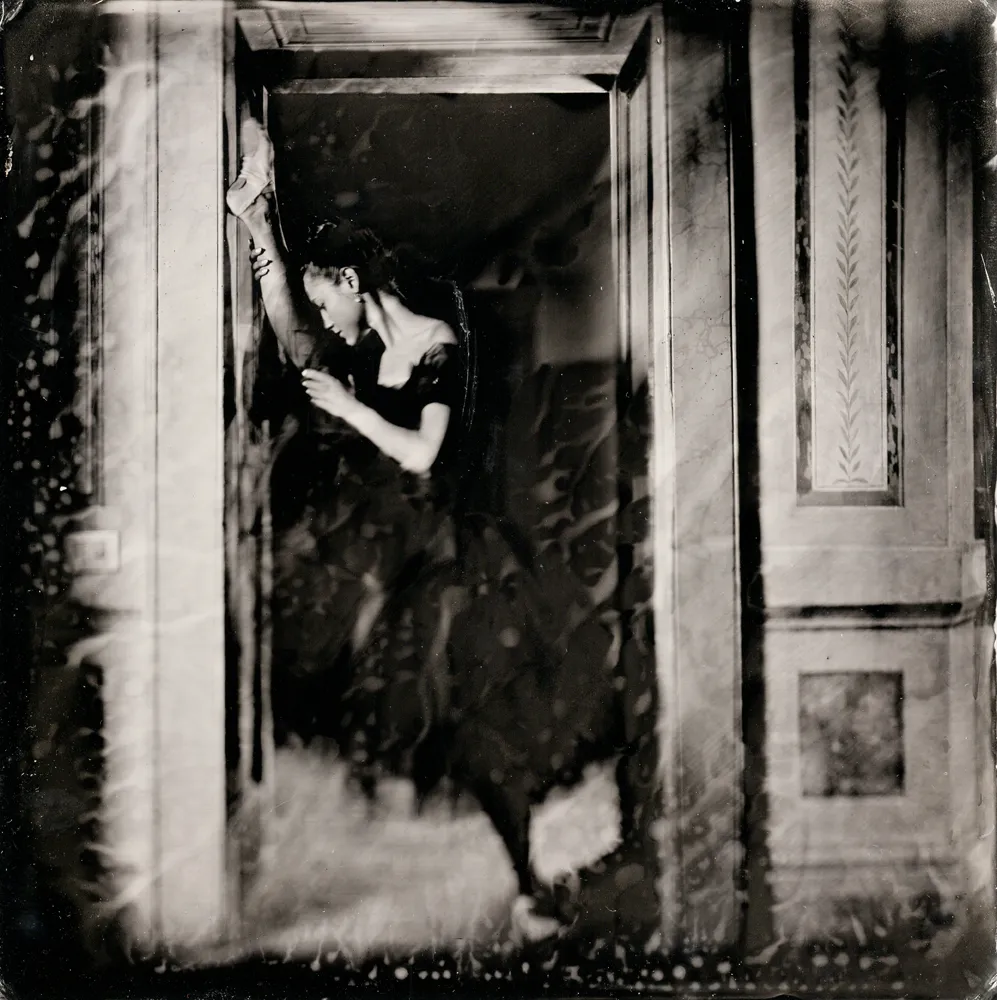


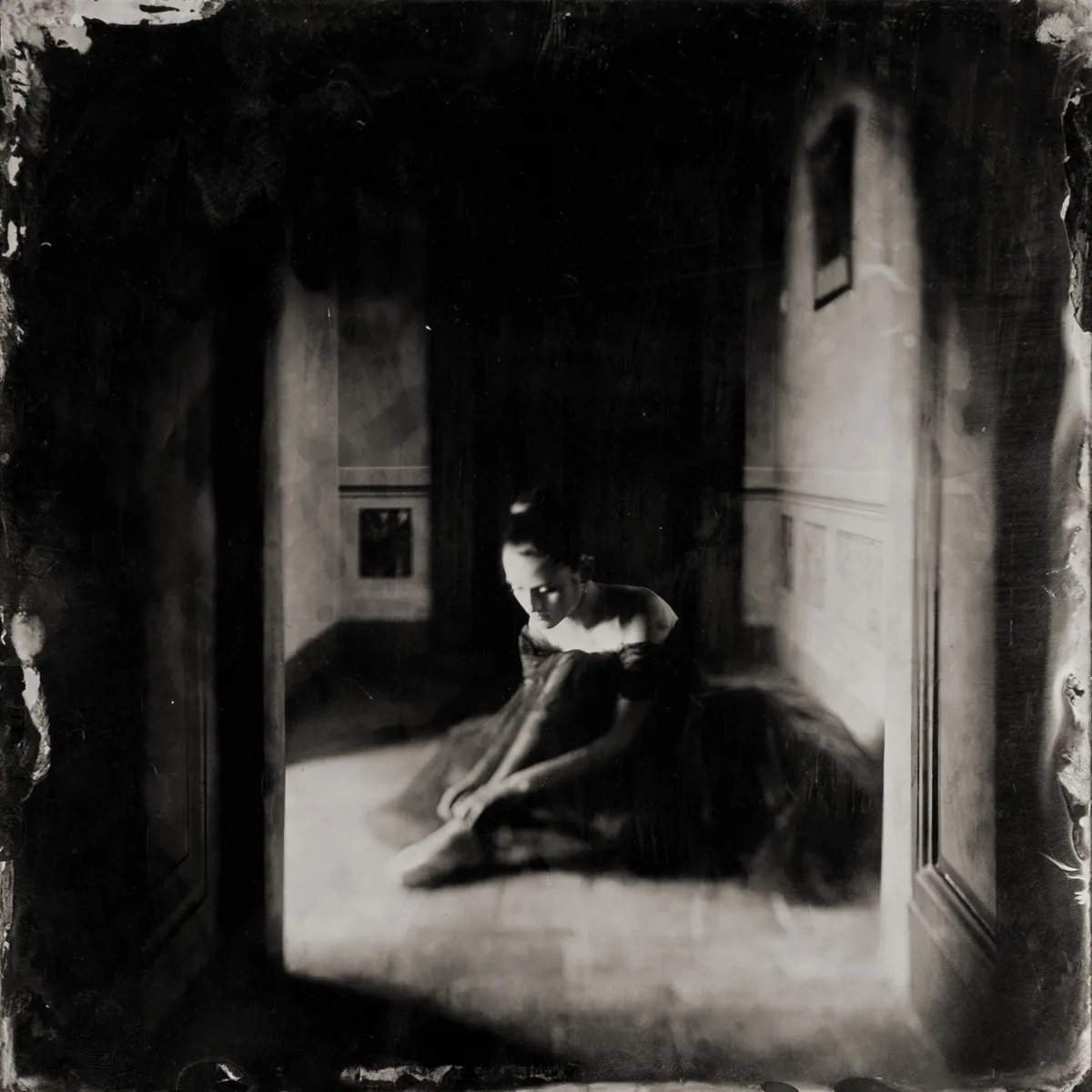





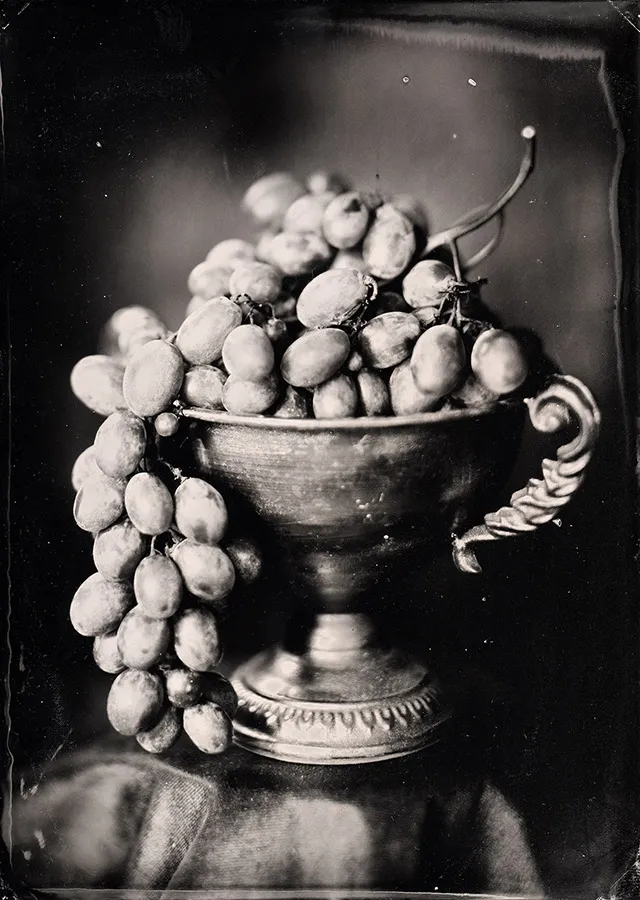
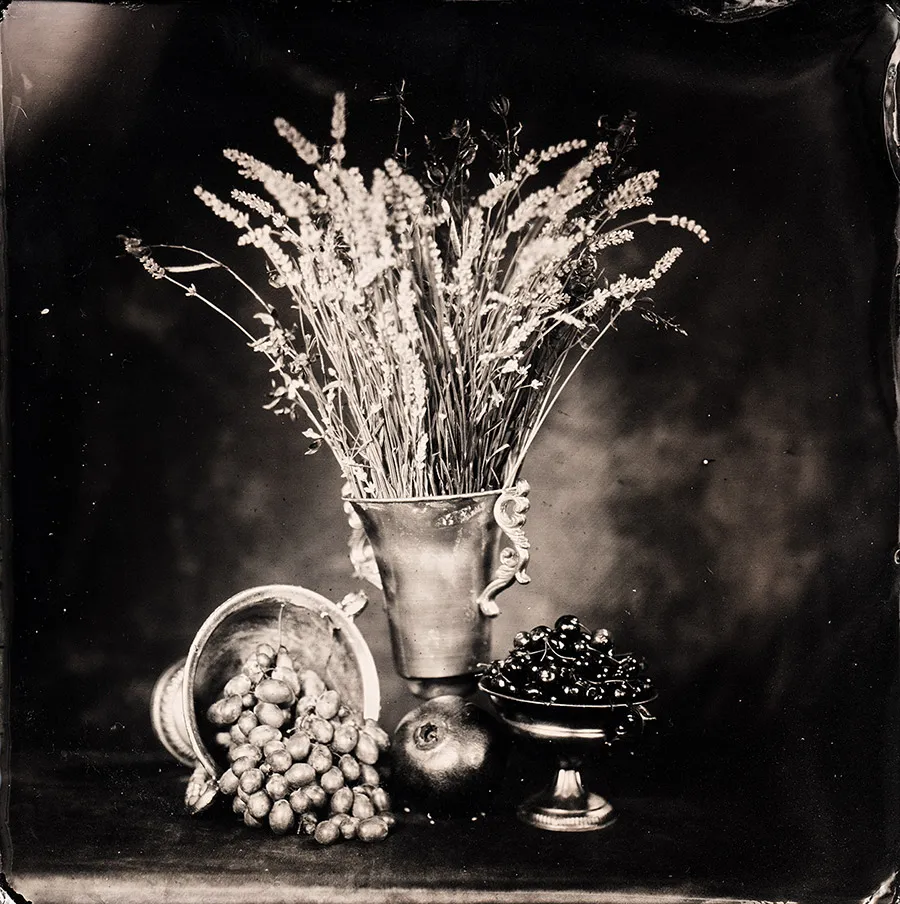
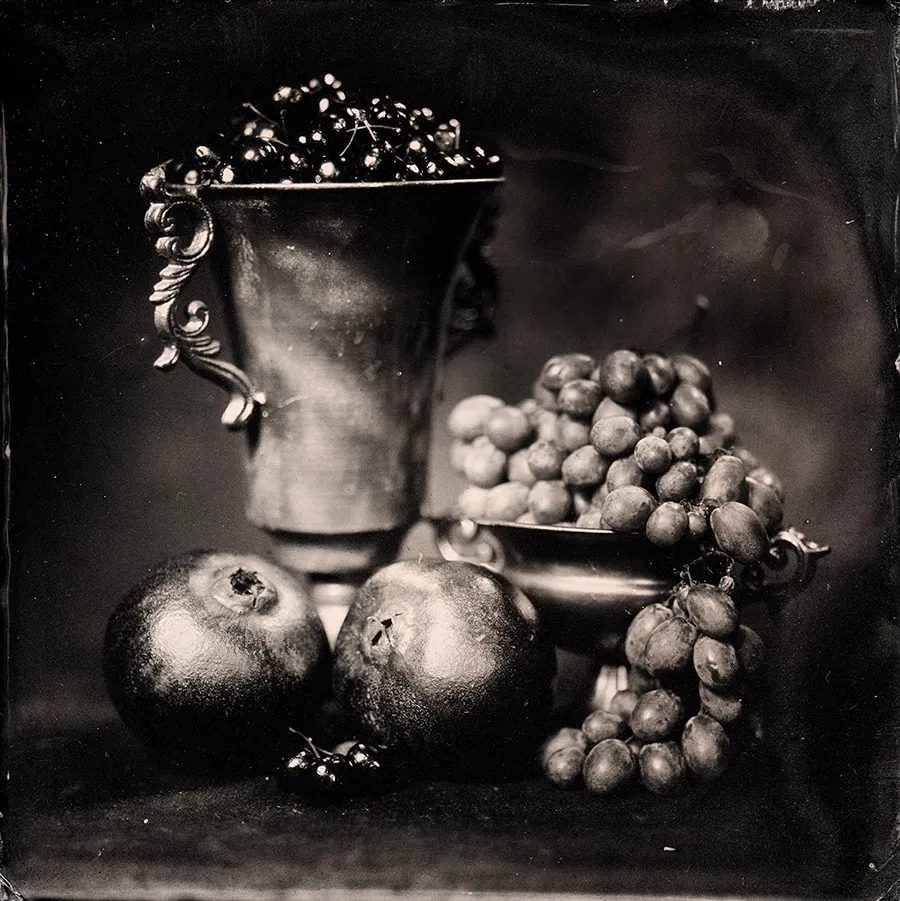
Wet collodion is much more than a simple photographic technique; it’s a journey through time and art. Exploring this technique can open up new creative perspectives, connect you to the origins of photography and allow you to create stunning images with a unique charm. Whether you are an experienced photographer or a curious enthusiast, the wet collodion is definitely worth exploring and appreciating.